

For most people, a weekly planner with a built-in habit grid or a printable monthly grid is the fastest way to start tracking consistently without overcomplicating things. If you're constantly on the move, a compact daily pad wins. If you want to test a layout before committing money, print it first.
- On-the-go tracking: Buy a slim, refillable A5 planner you can carry daily.
- Weekly overview lovers: Get a habit grid pad that shows seven days at a glance.
- Numeric goal chasers (steps, pages read, glasses of water): Choose a layout with count columns, not just checkboxes.
Not sure which fits your habits? Munkter Products carries both printable downloads and physical habit-tracker planners, so you can test a format for free before buying the bound version.
Key Takeaways
Choosing the right habit tracker planner comes down to matching tracking type and format to your specific habits, not picking whatever looks nicest on a shelf.
| Point | Details |
|---|---|
| Match format to habit count | Weekly grids suit 3 to 6 habits; daily planners suit 5 or more with detailed notes. |
| Choose tracking type deliberately | Use numeric columns for counts and duration, checkboxes only for simple yes/no habits. |
| Start small and review weekly | Track 2 to 4 habits at first, then run a short weekly review to adjust targets. |
| Prioritize paper weight | Look for at least 90 to 120 gsm paper to handle daily pens, markers, and stickers. |
| Test with printables, upgrade later | Munkter Products offers printable downloads and refillable physical planners with postage included, letting you trial a layout before buying the bound version. |
Table of Contents
- Types of Habit Tracker Planners and Who They Suit
- What to Look for Before You Buy a Habit Tracker Planner
- Printable vs. Physical Planners: Which One Should You Actually Buy?
- How to Set Up and Use Your Habit Tracker Planner
- How Long Until Your Physical Planner Actually Arrives?
- Can a Paper Habit Tracker Work With Your Phone and Calendar?
- Sources
Types of Habit Tracker Planners and Who They Suit
Daily planners give you the most room per habit. Each page usually has space for notes, mood, and a handful of habit rows, which makes them ideal for people juggling five or more habits or anyone who wants to jot down why a day went sideways. The tradeoff is bulk: a daily habit tracking system for a full month can run 30 pages deep, which isn't practical if you're tossing it in a bag every morning.
Weekly planners with habit grids solve that bulk problem. You get seven columns, one row per habit, and the whole week fits on a single spread. This format suits people tracking three to six habits who want to spot patterns fast, like noticing you always skip your evening walk on Wednesdays.

Monthly grids and printable templates work best when you're still figuring out what to track. A month-at-a-glance layout shows a longer streak, which matters for habits like flossing or reading that build momentum slowly. Because printable habit planner templates cost nothing to reprint, they're the cheapest way to experiment.
Planner pads, loose inserts, and refillable systems give you flexibility bound planners can't. When a layout stops working, you swap the page instead of buying a whole new planner.
Matching habit type to tracking format matters more than most buying guides admit:
- Checkbox habits: meditating, taking vitamins, journaling, no screens after 10pm.
- Numeric habits: water intake, pages read, pushups, minutes of exercise, money saved.
- Duration habits: deep work blocks, sleep hours, time outdoors.
A checkbox grid handles the first group fine. The second and third need columns wide enough to write a number, not just a tick. That distinction trips up a lot of first-time buyers who grab the prettiest planner without checking whether it actually fits how they want to track.
What to Look for Before You Buy a Habit Tracker Planner
The single biggest mistake buyers make is choosing a planner built purely for checkboxes when their habits need numbers. Flexible tracking types that log count, duration, quantity, or limits give you far more useful data than a simple yes/no grid, especially for habits like "drink more water" or "cut sugar," where the interesting information is how much, not whether.
Layout matters just as much. Most well-designed habit grids comfortably fit 8 to 12 habit rows per week before the page feels cramped. If a listing advertises room for 20 habits on one weekly spread, expect tiny boxes and no space to write actual numbers. Check whether the layout gives you blank space for notes, since context ("skipped run, was sick") is what makes a weekly review useful instead of just a guilt trip.
Paper and binding decide whether the planner survives daily use:
- Paper weight: look for at least 90 to 120 gsm if you're using markers, gel pens, or stickers, since thinner paper bleeds through and ruins the next page.
- Binding: spiral and disc-bound systems lie flat and are easier to refill; perfect-bound pads look nicer but can't be reordered.
- Size: A5 balances portability and writing space better than pocket-sized alternatives, which force you to cram habit names.
Extras separate a decent habit tracking system from a forgettable one. Perforated pages let you tear out a finished week for a bullet journal or wall display. Sticker-compatible paper (again, that 90 gsm minimum) lets you reward completed weeks visually, which matters more than it sounds since gamified digital trackers prove visual rewards genuinely help motivation, even on paper. Pre-printed habit prompts save setup time; blank grids give total control.
Pro Tip: Before buying, check the product listing for a photo of a filled-in page, not just the blank template. That's the fastest way to judge whether the row height actually fits your handwriting.
Look for clear specs (paper weight, sheet count, dimensions), a straightforward returns policy, and postage-included pricing so you're not surprised at checkout.
Printable vs. Physical Planners: Which One Should You Actually Buy?
Printable habit planner templates win on speed and cost. You download, print, and start tracking the same day, often for the price of a coffee or less. That makes printables the smarter first move if you've never tracked habits before and aren't sure a paper system will stick.
Physical planners win everywhere else that matters long-term. A bound or refillable planner survives daily handling, holds up to repeated erasing or sticker use, and creates a ritual that a stack of loose printed pages rarely does. There's also a quieter reason people stick with paper: many long-term trackers prefer offline systems specifically because they avoid cloud syncing, account logins, and data collection that come with app-based tracking.
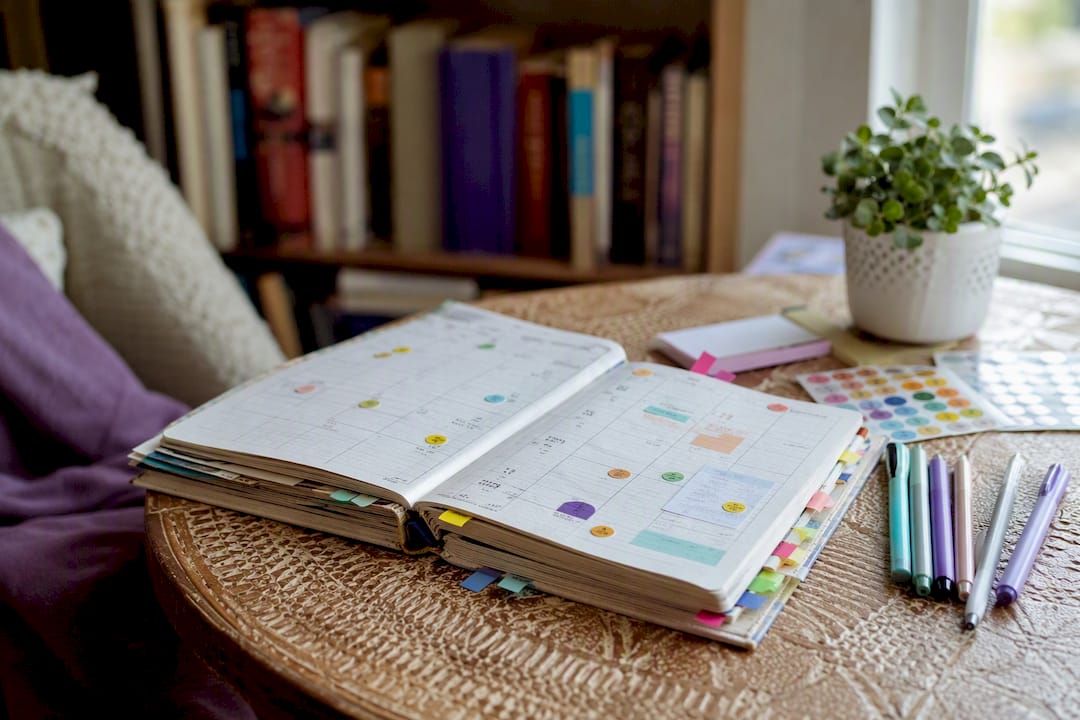
If you print at home, use at least 90 gsm paper. Standard 80 gsm copy paper bleeds with gel pens and feels flimsy after a week of handling. For a layout you plan to reuse monthly, a local print shop running heavier stock is worth the extra dollar or two per page.
Here's the practical path: print a layout first, live with it for two to four weeks, then upgrade to the bound version once you know it works. This also solves the gifting problem. Nobody wants a home-printed planner as a present, but a refillable A5 habit tracker with a habit grid insert feels like a real gift, and it's also better for the planet than reprinting the same template every month.
How to Set Up and Use Your Habit Tracker Planner
Buying the right format is half the job. The other half is setting it up so it doesn't end up abandoned by week three, which is the fate of most habit trackers.
- Pick two to four habits, not ten. James Clear's guidance on habit tracking is blunt about this: starting small is what separates people who stick with tracking from people who quit in the first two weeks.
- Decide checkbox or numeric per habit. Don't force every habit into the same format just because the grid looks tidier that way.
- Do a 30 to 60 second daily check-in. Mark it right after the habit happens, not at the end of the day when you've forgotten three of them.
- Run a 5 to 10 minute weekly review. Look for patterns, not perfection: which days did you skip, and why.
- Adjust targets if a habit keeps failing. Drop the numeric goal, not the habit itself.
Anchor new habits to something you already do daily, like brushing your teeth or making coffee. It's a small trick, but it removes the "when do I even do this" friction that kills most attempts before day five.
Pro Tip: Give yourself one "streak freeze" per month, a rule where you're allowed to skip a day without breaking your visual streak. What actually predicts long-term success isn't a perfect streak, it's how fast you bounce back after missing a day, a metric some digital planners now track directly instead of obsessing over unbroken chains.
If motivation drops, don't quit the whole system. Cut the habit count in half or switch from a demanding daily format to a lighter weekly grid.
How Long Until Your Physical Planner Actually Arrives?
This is where a lot of buying guides go quiet, and it's a fair question if you're hoping to start tracking this week. Physical planners ordered online typically ship within a few business days of purchase, with delivery adding another few days depending on your location and shipping method. Postage-included pricing, which Munkter Products applies across its planner range, simplifies the math since there's no separate shipping fee to factor into your decision.
If you want to start today rather than wait for a delivery, that's exactly the gap printable templates fill. Download a printable monthly habit PDF, print it at home or at a local shop, and you're tracking within the hour. Then let the physical planner arrive as your upgrade once you've confirmed the layout works for you.
Realistic planning: order early in the week if you want a planner in hand by the weekend, and always check the seller's stated dispatch window before assuming next-day delivery. A planner that lands three habits deep into the month you meant to start tracking is a common, avoidable frustration. Bridging that gap with a printable while you wait costs you nothing and keeps momentum going instead of stalling until a box shows up.
Can a Paper Habit Tracker Work With Your Phone and Calendar?
Yes, and it often works better than choosing one system and ignoring the other. The habit tracking apps gaining traction right now, tools that combine tasks, calendar events, and habit blocks into a single daily view, are popular precisely because they cut the mental cost of checking multiple systems. A paper planner can borrow that same logic without needing an app at all.
The simplest hybrid setup: use your phone calendar for time-blocked commitments and your paper planner purely for the habit grid. Set a recurring phone reminder at the time you've anchored a habit to (right after your morning coffee, for instance), then mark the actual completion by hand. You get the nudge from your phone and the tactile, visible record from paper, which research on habit formation consistently ties to better follow-through than digital-only tracking.
If you're someone who lives in Google Calendar or a task app, don't fight that. Just make the paper grid your weekly review tool instead of your daily reminder system. Glance at it once a week, compare it against what your calendar shows you actually did, and adjust. That single habit, reviewing paper against digital, closes the gap between planning something and actually doing it.
Author perspective: why Munkter Products recommends these formats
Years of fielding customer questions about paper weight, refill availability, and "will stickers show through this page" shaped which specs Munkter Products treats as non-negotiable: paper heavy enough for daily marking, refillable formats so one bad week doesn't mean starting over. The pattern in return requests was consistent. People didn't abandon planners because tracking failed. They abandoned them because the physical product couldn't survive real use. That's a materials problem, not a motivation problem, and it's fixable before you ever open the cover.
— Mark
Ready to start tracking? Here's where to look
Munkter Products stocks the exact formats this guide recommends, not a generic one-size-fits-all planner. The refillable A5 habit tracker planner uses a heavier paper stock built for daily pen and sticker use, with a weekly grid designed around 8 to 12 habit rows, enough room to track numeric goals without cramming.

If you'd rather test a layout before committing, the printable monthly habit PDF gives you the same grid structure to download and print at home today. Both options ship with postage included, so the price you see is the price you pay. Prefer something lighter to carry daily? The weekly habit pad fits that need without the bulk of a full planner. New to tracking altogether: start with the printable, confirm the format clicks, then upgrade to the bound version. Already know you want something durable that lasts a full year: go straight for the refillable planner. Visit the Munkter Products shop to compare formats and order the one that matches how you actually plan to use it.
Sources
- The Ultimate Habit Tracker Guide: Why and How to Track Your Habits — James Clear
- HabitStreak – Build Better Habits with Streaks, Badges & Challenges
- Keel — AI Daily Planner to Get Your Life Together