
TL;DR:
- Word search books help children develop focus, pattern recognition, and orthographic processing through engaging puzzles. Matching difficulty levels and short sessions build confidence, while systematic scanning enhances reading and cognitive skills. Overcoming challenges like frustration and boredom encourages consistent practice and long-term brain development.
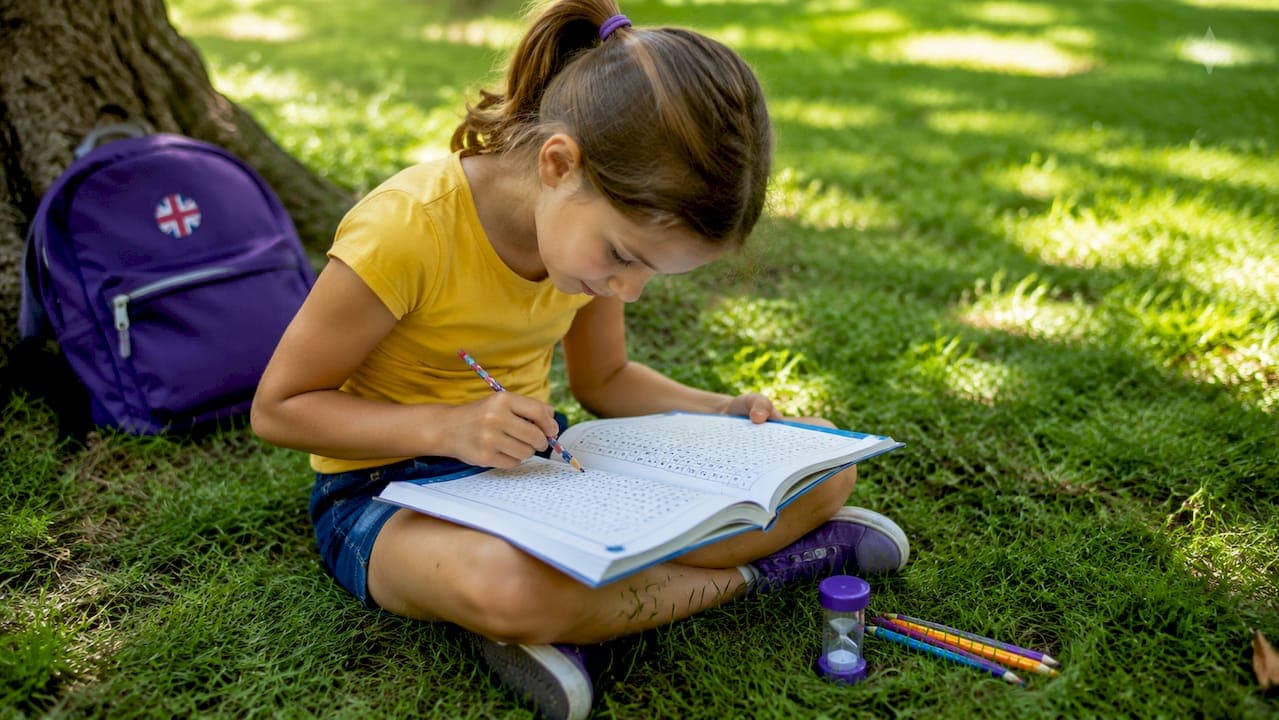
Word search books are defined as structured puzzle collections that train children's brains through systematic visual scanning, pattern recognition, and sustained attention. Problem-solving with word search books is one of the most underrated cognitive tools available to parents today. These books do far more than keep kids busy. Sessions of 10–30 minutes stimulate the prefrontal cortex and reduce cortisol levels, meaning your child is literally building focus and reducing stress at the same time. The educational term for this kind of active visual learning is orthographic processing, and word searches deliver it in a format children actually enjoy.
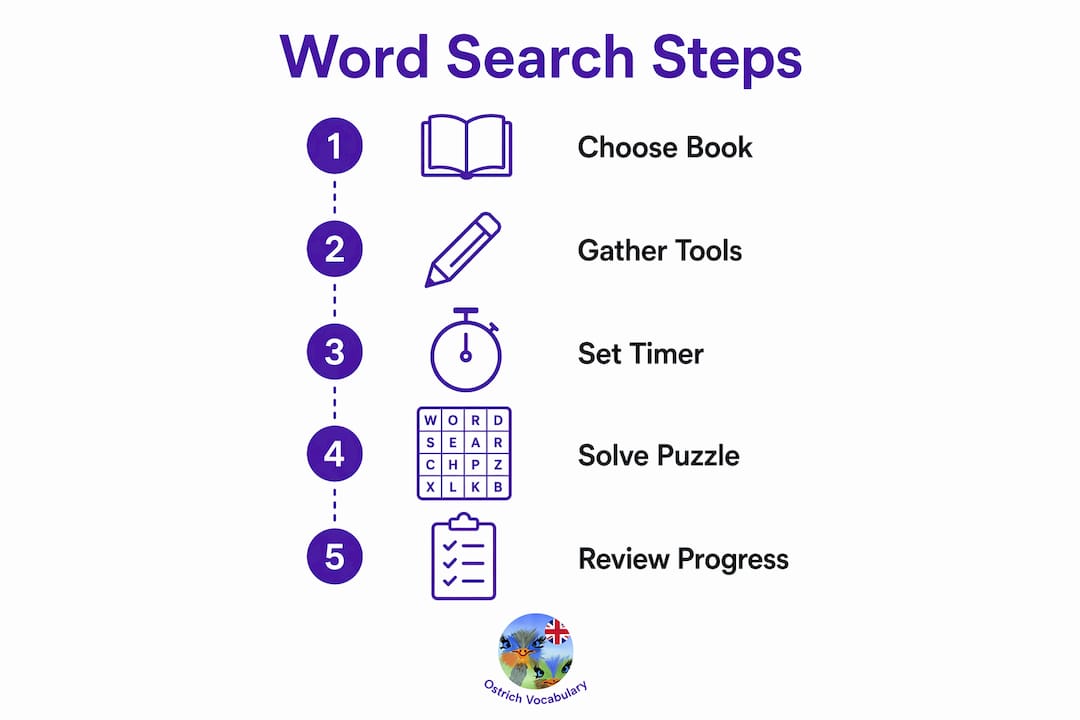
What materials do you need to start problem-solving with word search books?
Choosing the right book is the first decision that determines whether this works. Age-appropriate books with clear, large print and a tiered difficulty structure give children a genuine path forward. A book that starts too hard creates frustration. A book that never gets harder creates boredom. The goal is a steady climb.
Beyond the book itself, you need a few simple tools. A pencil works better than a pen because children can erase and try again without feeling like they failed. Highlighters add a satisfying visual reward when a word is found. A distraction-free setting matters more than most parents expect. A quiet table, good lighting, and no screens nearby make a measurable difference in how long a child stays engaged.
Word search difficulties fall into three tiers: Easy, Medium, and Hard. Each tier builds on the last.
| Difficulty level | Word placement | Best for |
|---|---|---|
| Easy | Horizontal and vertical only | Ages 5–7, beginners |
| Medium | Adds diagonal directions | Ages 8–10, developing readers |
| Hard | Includes backwards and winding words | Ages 11+, confident readers |
This progression mirrors how teachers scaffold reading instruction. You start with what the child can do, then add one layer of complexity at a time. The tiered difficulty system lets parents match the puzzle to the child's current skill level without guesswork.
Pro Tip: Set a timer for 15 minutes per session. Short, consistent sessions build the habit without burning out your child's attention.
How do you guide children through word search puzzle solving?
A clear process turns a random search into a real skill. Children who learn a method solve puzzles faster and feel more confident. Teach this sequence and repeat it until it becomes automatic.
- Read the word list first. Before scanning the grid, your child should read every word on the list. This primes the brain to recognize letter sequences when they appear.
- Scan row by row. Start at the top left and move right across each row. This prevents random eye jumping and builds the same left-to-right habit used in reading.
- Scan column by column next. After a full horizontal pass, repeat the process vertically. Many words hide in columns that a row-only scan misses.
- Target rare letters first. Experienced solvers focus on uncommon letters like Q, Z, X, and J. These letters appear rarely in the grid, so spotting one narrows the search immediately.
- Use pattern recognition for the rest. Once your child spots a rare letter, they look for the surrounding letters that complete the word. This is pattern recognition in action, and it transfers directly to reading fluency.
- Circle and cross off. When a word is found, circle it in the grid and cross it off the list. This reduces cognitive load and keeps the child oriented.
Progress shows up in speed and confidence. When your child consistently finishes an Easy puzzle in under 10 minutes, move to Medium. When Medium feels comfortable, introduce Hard puzzles with diagonal and backwards placements.
Pro Tip: Solve the first puzzle together. Narrate your thinking out loud: "I'm going to look for the Q in QUEEN first because Q is rare." This models the strategy before your child practices it alone.
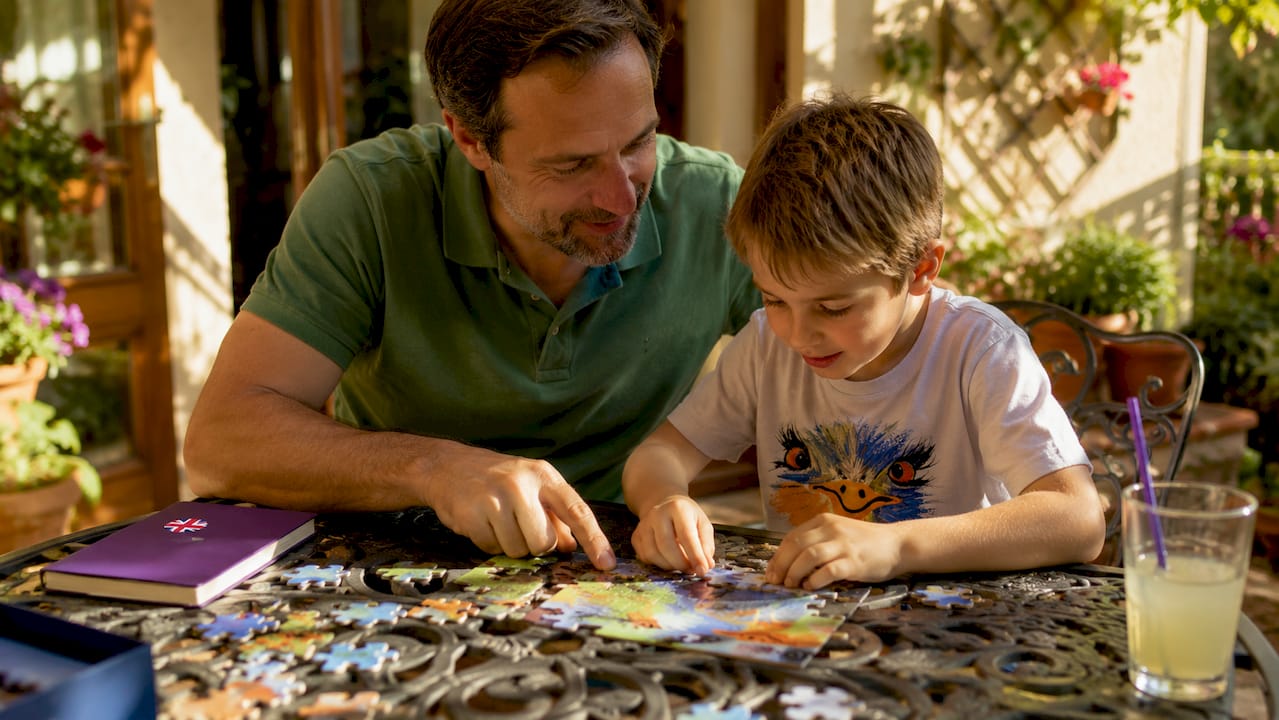
Pattern recognition is foundational to reading and math, and word searches provide direct, engaging practice for both. Every puzzle your child completes strengthens the neural pathways used in the classroom.
What challenges come up, and how do you fix them?
Most children hit at least one wall during puzzle practice. Knowing what to expect helps you respond without turning a small setback into a reason to quit.
Common challenges parents report:
- Frustration from puzzles that are too hard. The child scans the grid repeatedly and finds nothing. This is almost always a difficulty mismatch. Drop back one tier immediately.
- Loss of focus after a few minutes. Attention fades when the puzzle feels either too easy or too overwhelming. A 10–15 minute session cap prevents this.
- Feeling stuck on one word. Children often fixate on a single missing word and lose momentum. Teach them to skip it, finish the rest, and return at the end.
- Reluctance to start. Some children resist puzzles because they associate them with schoolwork. Framing the session as game time, not study time, changes the dynamic.
Matching puzzle difficulty to the child's developmental stage is the single most important factor in keeping motivation alive. A child who succeeds regularly builds confidence. A child who struggles constantly gives up.
Collaborative solving works well for reluctant starters. Sit beside your child and take turns finding words. The shared activity removes the pressure of solo performance and makes the session feel like play.
Pro Tip: Connect puzzle themes to your child's current school subjects. A puzzle built around science vocabulary your child is already studying acts as a priming tool that reduces cognitive load when those words appear in class.
Themed vocabulary puzzles tied to school subjects enhance comprehension in formal learning contexts. Familiarity with terms reduces the mental effort needed when those words appear in a test or textbook.
How do word search books support broader cognitive development?
The brain benefits of regular puzzle practice go well beyond finding hidden words. Sustained attention during puzzle solving activates the prefrontal cortex, the region responsible for planning, impulse control, and decision-making. These are the same executive functions that determine how well a child performs in school.
Visual discrimination skills built through word searches help children tell apart similar letters like "p" and "q" or "b" and "d." This directly improves reading fluency and reduces common reversal errors in early readers. The practice of spotting letter sequences in a grid translates to faster, more accurate word recognition on a page.
Word searches promote orthographic engagement, which builds sight-word memory and visual discrimination. This active learning strengthens literacy skills in ways that passive reading alone cannot replicate.
"By entering a flow state during puzzles, children experience stress relief while exercising the problem-solving parts of the brain. This productive mental condition builds cognitive reserve and resilience over time."
Puzzle engagement induces a flow state that lowers stress by reducing cortisol while keeping problem-solving areas active. Flow is the mental condition where challenge and skill are perfectly balanced. Children in flow are not just entertained. They are building cognitive reserve.
| Cognitive benefit | Word search puzzles | Other puzzle types |
|---|---|---|
| Visual scanning | Direct and repeated practice | Limited in most formats |
| Pattern recognition | Core mechanic of every puzzle | Varies by type |
| Orthographic memory | High, through letter sequence spotting | Low to moderate |
| Executive function | Activated by sustained attention | Moderate in logic puzzles |
| Stress reduction via flow | Consistent across difficulty levels | Depends on complexity |
The word search books benefits for brain health extend into mood as well. Completing a puzzle triggers a dopamine release that makes children feel accomplished and motivated to try the next one. That reward loop is what turns a single session into a lasting habit.
Key Takeaways
Problem-solving with word search books builds executive function, literacy, and sustained attention when parents use tiered difficulty levels and consistent short sessions.
| Point | Details |
|---|---|
| Start with the right difficulty | Match puzzle tier to your child's age and reading level to prevent frustration. |
| Use a systematic scanning method | Teach row-by-row and column-by-column scanning, then target rare letters like Q and Z. |
| Keep sessions short and consistent | Sessions of 10–30 minutes activate the prefrontal cortex without burning out attention. |
| Connect themes to school subjects | Themed vocabulary puzzles prime the brain and reduce cognitive load in the classroom. |
| Track progress and advance tiers | Move from Easy to Medium to Hard as confidence and speed improve. |
What I've learned from watching kids solve puzzles
Parents often assume word search books are passive entertainment. That assumption is wrong, and I've seen the evidence firsthand. Children who practice with tiered puzzle books for even a few weeks show noticeable improvements in reading confidence and the ability to sit with a task without giving up.
The most common mistake I see is starting too hard. A parent picks up a book labeled "for ages 8 and up" for a seven-year-old who is a strong reader, and the child hits a wall on the first puzzle. The book gets shelved. The real lesson here is that difficulty should feel like a gentle stretch, not a strain. Drop down a tier before you think you need to. Let your child feel fast and capable. Speed and confidence come first. Challenge comes second.
The other thing I'd push back on is the idea that puzzles need to be educational to count. The dopamine hit from finding a word is real. The focus your child builds during a 15-minute session is real. You do not need to justify this activity with a lesson plan. The word search skills development happens automatically when the child is engaged. Your job is to pick the right book and get out of the way.
Celebrate small wins loudly. When your child finishes their first Medium puzzle, make it a moment. That positive reinforcement matters more than any technique.
— Mark
Word search books worth exploring at Munkterproducts
Munkterproducts carries a curated selection of age-appropriate word search books designed with exactly the kind of tiered difficulty progression described in this article. Each book is handpicked for clear print, engaging themes, and a difficulty structure that grows with your child.

The collection includes options for early readers starting with horizontal and vertical words, as well as more advanced books that introduce diagonal and backwards placements. Postage is included with every order, and the catalog also features complementary puzzle books for parents who want to practice alongside their children. If you want your child to build real cognitive skills through a format they will actually enjoy, this is a practical place to start.
FAQ
What age is best for starting word search puzzles?
Children as young as five can start with Easy-tier puzzles that use only horizontal and vertical words. The key is matching the difficulty to the child's current reading level, not just their age.
How long should a word search session last?
Sessions of 10–30 minutes are the most effective range. This duration activates the prefrontal cortex and builds focus without causing mental fatigue or frustration.
Do word searches actually improve reading skills?
Word searches build visual discrimination and orthographic memory, both of which transfer directly to reading fluency. Children who practice regularly show faster and more accurate word recognition on the page.
What is the best strategy for solving a word search?
Scan row by row first, then column by column, and prioritize rare letters like Q, Z, X, and J. This systematic approach is the same method experienced solvers use and can be taught to children in a single session.
How do I keep my child motivated during word search practice?
Keep sessions short, match the difficulty to your child's current skill level, and celebrate every completed puzzle. Connecting puzzle themes to school subjects also increases engagement by making the vocabulary feel familiar and relevant.