
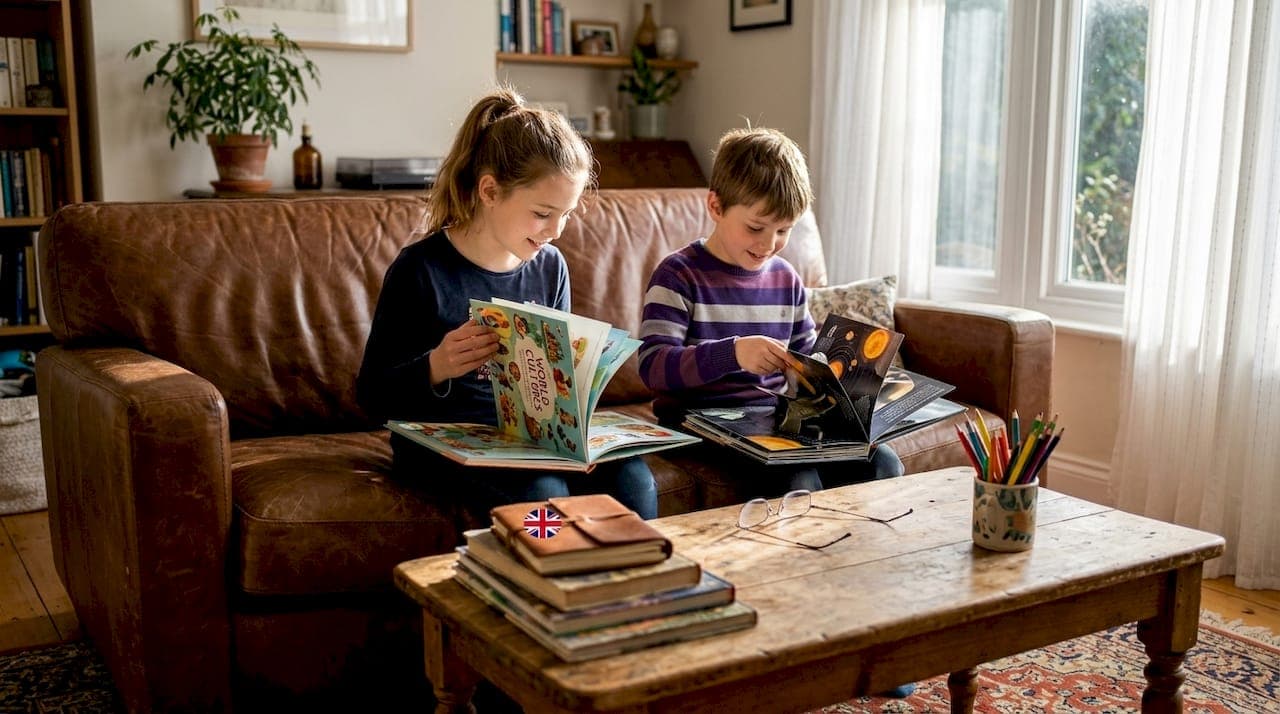
Choosing educational books for your child sounds simple until you're standing in front of a wall of options, second-guessing every pick. Should you grab the leveled reader your neighbor swears by? The award-winning picture book your child's teacher mentioned? The science activity set that promises to make learning fun? With thousands of titles published every year, parents and guardians face a genuinely overwhelming task. This guide cuts through the noise using expert-curated lists, research-backed selection criteria, and practical strategies so you can build a book collection that actually moves the needle on your child's learning.
Table of Contents
- How to choose educational books for children
- Top educational book lists from trusted sources
- Category spotlight: Science, math, and social studies books
- Dialogic book-sharing and activity integration
- Personalized recommendations: Matching books to your child
- Explore curated book collections and activity bundles
- Frequently asked questions
Key Takeaways
| Point | Details |
|---|---|
| Use expert book lists | Trusted sources like NYPL and Science Friday make it easy to find quality educational books. |
| Mix narrative and activity books | Combining stories with activity books fosters practical learning in math and science. |
| Prioritize grade-level texts | Skip strict leveled reading past kindergarten and use grade-level books with parent support. |
| Engage with dialogic reading | Interactive book-sharing can boost vocabulary when tailored to your child’s needs. |
| Personalize for your child | Match educational books to your child's interests, reading level, and family context for maximum impact. |
How to choose educational books for children
Before you buy a single book, it helps to know what you're actually looking for. A good educational book does more than teach facts. It engages your child, matches their developmental stage, and ideally sparks curiosity that outlasts the last page. Here are the core criteria worth using every time you evaluate a title:
- Age and developmental fit: A book that's too easy bores; one that's too hard discourages. Aim for content that stretches your child just enough.
- Subject relevance: Does the book connect to what your child is curious about or what they're studying in school?
- Narrative vs. informational balance: Story-driven books build empathy and language; informational books build knowledge and vocabulary. Both matter.
- Engagement style: Does the book invite interaction, questions, or hands-on activity? Passive reading has its place, but active engagement deepens retention.
- Grade-level text with support: Research shows that leveled reading research may not be the gold standard many assume.
One of the most persistent myths in children's literacy is that kids must always read books perfectly matched to their independent reading level. In reality, leveled reading lacks strong evidence for improving achievement, and teacher-supported grade-level texts tend to yield better results. That means a slightly challenging book, read together with a parent or teacher who asks questions and explains new words, often beats a perfectly leveled book read alone.
"The goal isn't a book your child can read perfectly. It's a book that gives them something to reach for, with you beside them."
Mixing story-driven books with activity books is another smart move. Stories build emotional connection to a topic; activity books turn that connection into practice. Think of them as two sides of the same coin. For more on choosing children's books that balance both, a structured approach makes the process far less stressful.
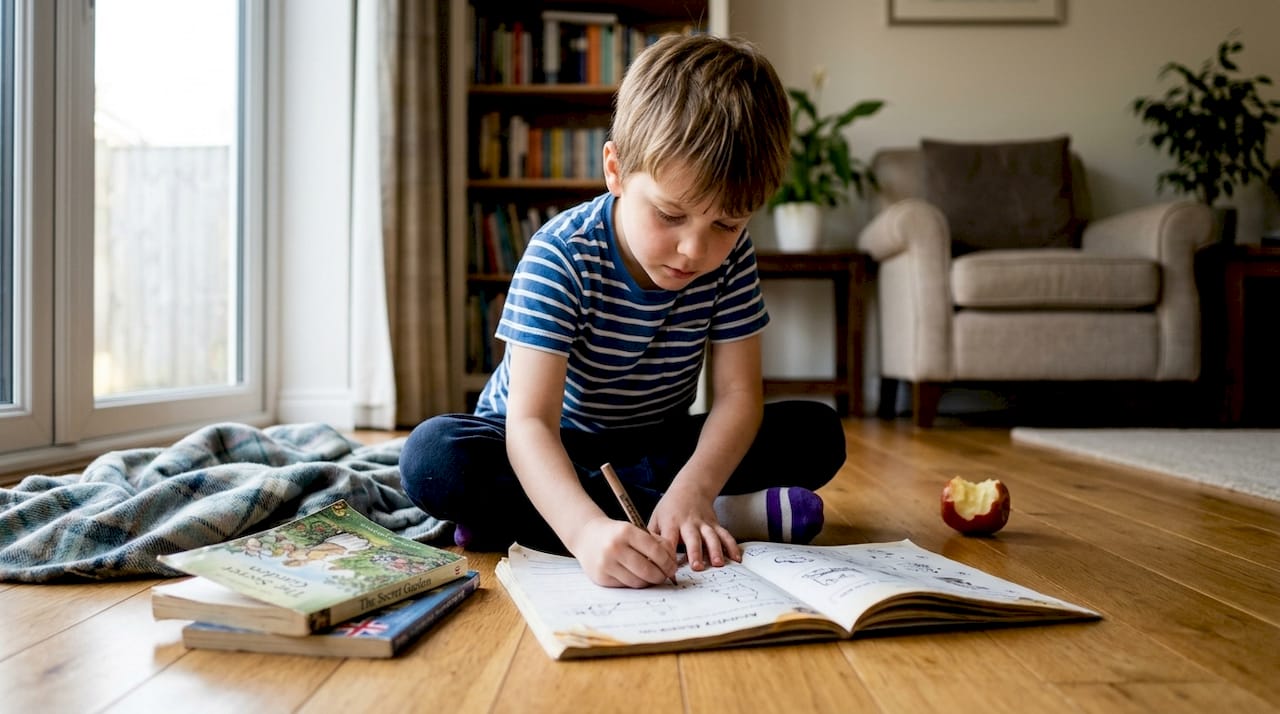
Pro Tip: When you read with your child, pause and ask open-ended questions like "What do you think happens next?" or "Why do you think the character did that?" This simple habit dramatically increases comprehension and vocabulary retention.
Top educational book lists from trusted sources
With your criteria in place, the next step is knowing where to find reliable recommendations. Not all book lists are created equal. The best ones come from organizations with deep expertise in children's literacy, education, and cultural representation.
Here are the top sources worth bookmarking:
- New York Public Library (NYPL): Their annual best books list spans picture books, young readers, and middle-grade titles. NYPL's 2025 picks include standouts like Fireworks (picture books), Amina Banana (young readers), All the Blues in the Sky (middle-grade), and the nonfiction title The Black Mambas.
- PEN America: Known for championing diverse voices and intellectual freedom, their 2025 children's list features titles like Every Monday Mabel, Pocket Bear, and Safe Crossing, books that blend social awareness with compelling storytelling.
- Science Friday: Their science-focused picks are a goldmine for STEM-curious kids. 2025 science books for kids include Alberto Salas Plays Paka Paka con la Papa, Papilio, and The Five Sides of Marjorie Rice, each chosen for scientific accuracy and narrative engagement.
What makes these lists valuable isn't just the titles. It's the diversity of topics covered, from biodiversity and math discovery to social studies and cultural identity. Each list reflects a different editorial lens, which means using all three together gives you a much richer pool to draw from.
A useful strategy is to cross-reference these lists with your child's current interests. If your daughter is obsessed with butterflies, Papilio from Science Friday's list is an obvious match. If your son is navigating a new school environment, Safe Crossing from PEN America might resonate deeply.
Pro Tip: Use the activity book checklist to pair each story-driven pick with a hands-on activity book that reinforces the same theme. The combination accelerates learning far more than either format alone.
For parents interested in how books support broader development, exploring personal growth books alongside children's titles can also model a love of reading across the whole family. And if you want to understand how narrative structure itself builds creative thinking, the research on storytelling for creativity is genuinely eye-opening.
Category spotlight: Science, math, and social studies books
Diving deeper into specific categories helps you match books to the skills your child most needs to develop. Here's a closer look at standout titles across three key subject areas.
Science books from Science Friday's 2025 list emphasize biodiversity, math discovery, and life cycles. Alberto Salas Plays Paka Paka con la Papa introduces children to Andean potato biodiversity through the story of a real scientist, making abstract ecological concepts tangible. Papilio follows the life cycle of a butterfly with stunning visual detail, perfect for early elementary readers.
Math books don't have to be dry. The Five Sides of Marjorie Rice tells the true story of an amateur mathematician who discovered new pentagon tilings, proving that math is a living, human pursuit. It's a powerful antidote to the idea that math is only for "math people."
Social studies titles like The Black Mambas (NYPL) and Safe Crossing (PEN America) ground children in real-world issues, from wildlife conservation in South Africa to the experience of crossing borders. These books build empathy alongside knowledge.
| Book title | Age range | Educational focus | Engagement style |
|---|---|---|---|
| Alberto Salas Plays Paka Paka con la Papa | 6 to 10 | Science, biodiversity | Narrative nonfiction |
| Papilio | 5 to 8 | Life cycles, nature | Visual storytelling |
| The Five Sides of Marjorie Rice | 8 to 12 | Math, history | Biography |
| The Black Mambas | 7 to 11 | Social studies, conservation | Narrative nonfiction |
| Safe Crossing | 6 to 10 | Social studies, empathy | Story-driven |
"The best science and math books don't just explain concepts. They show children that real people, with curiosity and persistence, make discoveries that change the world."
Combining literature with activity books enhances math and science learning in measurable ways. After reading Papilio, for example, a butterfly life cycle activity book gives children a way to process and apply what they've absorbed. For seasonal learning moments, holiday activity books can also reinforce these themes in a fun, low-pressure context.
Dialogic book-sharing and activity integration
Selecting the right book is only half the equation. How you read it matters just as much. Dialogic reading, sometimes called interactive book-sharing, is a structured approach where the adult asks questions, expands on the child's responses, and encourages the child to become the storyteller.
Here's what effective dialogic reading looks like in practice:
- Ask "what" and "why" questions during reading, not just after
- Repeat and expand on your child's answers to model richer language
- Let your child predict what comes next before turning the page
- Connect the story to your child's own experiences
- Follow up with a related activity to reinforce new vocabulary
Research shows that dialogic book-sharing boosts vocabulary in low-income settings, though effects vary significantly by age and how consistently the approach is applied. One randomized controlled trial found no significant gains over control groups for children around age 3.5, suggesting that implementation quality and the child's developmental stage both shape outcomes.
| Age group | Dialogic reading benefit | Key implementation factor |
|---|---|---|
| 2 to 3 years | Strong vocabulary gains | Consistent daily sessions |
| 3.5 years | Mixed results | Quality of adult interaction |
| 4 to 6 years | Moderate to strong gains | Pairing with activity follow-up |
| 7 and older | Best with complex texts | Open-ended discussion focus |
The takeaway isn't that dialogic reading doesn't work. It's that it works best when you tailor your approach to your child's age and needs. For younger children, keep sessions short and playful. For older readers, lean into discussion and debate. Pairing books with activity extensions, as explored in the workflow for creativity, gives children a way to process stories through doing, not just listening.
Pro Tip: After finishing a book together, ask your child to draw one scene or write two sentences about what they'd change in the story. This simple activity bridges reading and creative thinking in a way that sticks.
Personalized recommendations: Matching books to your child
Every child is different. A book that captivates one child will sit untouched on another's shelf. Personalizing your selections is the final, most important step in building a genuinely useful educational library.
Here's a practical framework for matching books to your specific child:
- Start with interests, not levels: What does your child talk about at dinner? What questions do they ask? Let curiosity lead the selection, then find books that meet them there.
- Factor in cultural relevance: Books that reflect your child's background, community, or family experience build both identity and engagement. The NYPL and PEN America lists are particularly strong here.
- Balance formats: Aim for a mix of narrative fiction, nonfiction, and activity books. A rough ratio of 2:1:1 (stories to nonfiction to activity books) works well for most children.
- Revisit and rotate: Children's interests shift fast. Reassess your book collection every few months and use authoritative curated lists to find fresh picks that match where your child is now.
- Align with learning goals: If your child struggles with math confidence, prioritize books like The Five Sides of Marjorie Rice that reframe math as human and accessible. If social skills are a focus, lean into empathy-driven social studies titles.
For parents thinking about the longer arc of their child's development, educational books for growth offer a useful lens for selecting titles that build character alongside knowledge. Understanding the broader context of why books matter is also worth exploring through the lens of book publishing and culture, which frames literature as a living part of how communities grow and change.
The goal is a collection that feels alive, one your child returns to, argues about, and builds on over time.
Explore curated book collections and activity bundles
Building a strong educational library doesn't have to mean hours of research and guesswork. The right curated collections and activity bundles do the heavy lifting for you, bringing together story-driven books and hands-on activities that reinforce each other.

At MunkterProducts.com, you'll find handcrafted and curated books, activity sets, and educational resources designed with children's learning in mind. Whether you're looking for science-themed activity books, holiday learning bundles, or creative journals that spark storytelling, the collections are built to complement the kind of intentional reading approach this guide recommends. Start with the activity book checklist to identify exactly what your child's library is missing, then explore the full range of options to fill those gaps with purpose.
Frequently asked questions
What criteria should I use to select educational books for my child?
Focus on age appropriateness, your child's interests, subject matter, and a mix of narrative and activity formats. Curated lists using age and subject from trusted sources like NYPL are a reliable starting point.
Are leveled reading books the best way to help my child learn?
Not necessarily. Leveled reading lacks strong evidence for boosting achievement after kindergarten, and grade-level texts read with adult support tend to produce better outcomes.
How can activity books complement story-driven educational books?
Activity books give children a way to apply and reinforce what they've read. Blending literature with activities is especially effective for science and math topics where hands-on practice deepens understanding.
Does dialogic reading always improve vocabulary?
Not always. Dialogic book-sharing boosts vocabulary in many contexts, but results depend heavily on the child's age, the consistency of sessions, and the quality of adult interaction.
Where can I find curated educational book collections?
Start with NYPL, PEN America, and Science Friday for free curated lists. For bundled activity books and handcrafted educational sets, MunkterProducts.com offers collections built specifically for children's learning and creative development.