
TL;DR:
- Most adults abandon mindfulness practices within a week due to unrealistic expectations about extensive meditation sessions. Short, adaptable exercises like focused breathing and mindful walking are more effective, especially when integrated into daily routines with non-judgmental awareness. Consistent, small practices consistently outperform sporadic longer sessions in reducing stress and enhancing self-awareness.
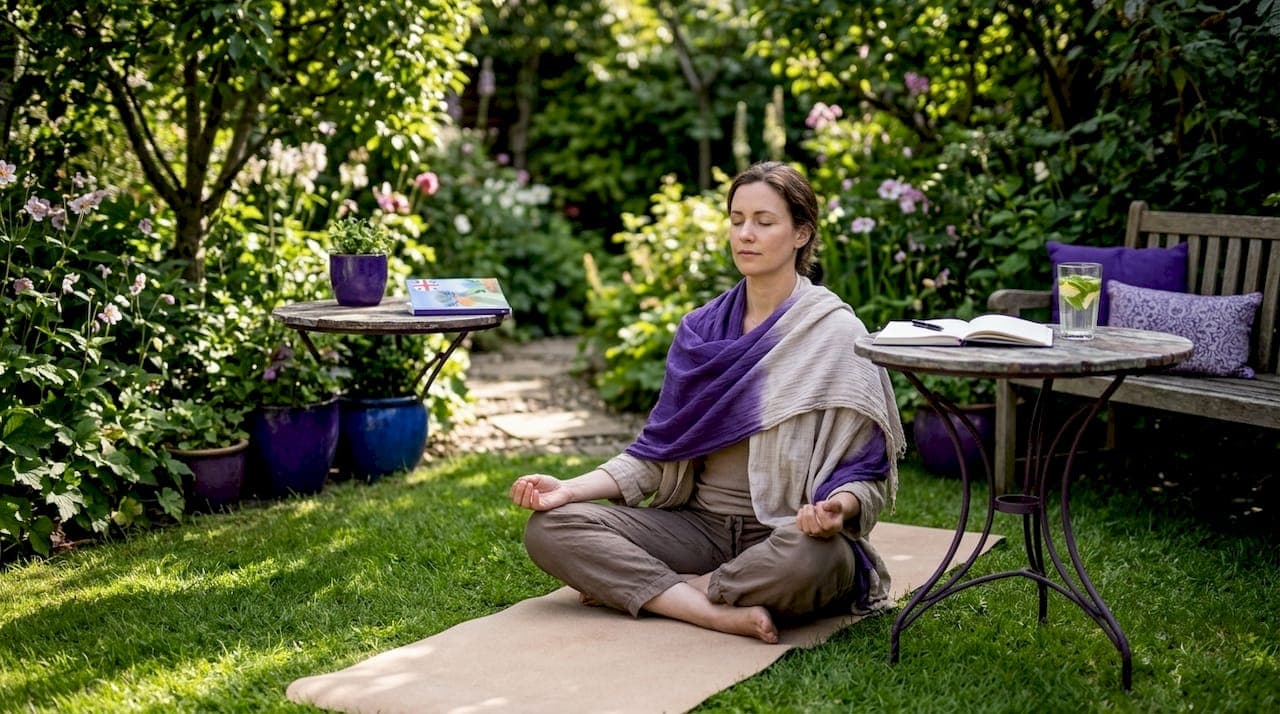
Most adults who try mindfulness quit within a week. Not because mindfulness doesn't work, but because they start with the wrong expectations. They picture 30-minute silent meditation sessions and a perfectly clear mind. Real mindfulness activities for adults look nothing like that. You can start with a few minutes of focused breathing during your lunch break, your commute, or even while washing dishes. This article gives you 10 practical, no-equipment exercises that fit real life.
Table of Contents
- Key takeaways
- What makes mindfulness activities for adults actually work
- 10 mindfulness activities for adults you can start today
- 1. One-minute focused breathing
- 2. Short body scan meditation
- 3. Mindful walking
- 4. Five-senses grounding exercise
- 5. Mindful eating
- 6. Three-minute breathing space
- 7. Loving-kindness meditation
- 8. Mindful stretching or movement
- 9. Journaling and feeling labels
- 10. Mindful pause during routine tasks
- Comparing the 10 activities at a glance
- Choosing the right practice for your situation
- My honest take on starting a mindfulness practice as an adult
- Tools from Munkterproducts to support your mindfulness routine
- FAQ
Key takeaways
| Point | Details |
|---|---|
| Start with micro-practices | Even 1 to 3 minutes of daily mindfulness builds lasting habit faster than occasional long sessions. |
| No equipment needed | You can practice mindfulness during everyday tasks like eating, walking, or doing chores. |
| Awareness beats perfection | Mindfulness means noticing thoughts without judgment, not stopping them entirely. |
| Match activity to your lifestyle | Choose seated, active, or task-based practices depending on your schedule and temperament. |
| Creativity supports mindfulness | Journaling, coloring, and puzzles are legitimate mindfulness tools, not just hobbies. |
What makes mindfulness activities for adults actually work
Not every mindfulness exercise is created equal, and knowing what separates a useful practice from a forgettable one saves you a lot of trial and error.
The most effective adult mindfulness exercises share a few qualities. They are short enough to repeat daily without feeling like a chore. Specifically, repeatable short practices of one to five minutes work better for working adults than single longer sessions. They are also adaptable. A practice you can do seated at your desk, standing in a grocery line, or walking around the block has a much higher chance of sticking.
The other quality that matters most is non-judgmental awareness. Mindfulness is not about emptying your mind. It is about noticing where your attention goes and gently bringing it back, without criticizing yourself for wandering. That distinction changes everything for beginners who assume they are "doing it wrong" every time a thought appears.
Here is what to look for when choosing a practice:
- Time commitment: Can you realistically do this three to five times a week?
- Setting flexibility: Does it require silence, a special space, or equipment?
- Entry point: Does it give you something concrete to focus on (breath, body, senses)?
- Emotional fit: Does it feel calming or does it increase your anxiety?
Pro Tip: Combine one formal mindfulness exercise (like a body scan) with one informal mindful moment (like mindful coffee drinking) each day. The pairing builds awareness faster than either approach alone.
10 mindfulness activities for adults you can start today
1. One-minute focused breathing
Sit or stand comfortably. Close your eyes if you can. Breathe in slowly for four counts, hold for two, exhale for six. Repeat for one minute. That is it. Brief breathing practices provide real stress relief and mental clarity even at this short duration. This is the single best starting point for adults new to mindfulness.

2. Short body scan meditation
Lie down or sit upright. Starting at the top of your head, slowly move your attention down through your body, noticing any tension, warmth, or discomfort. The key is noticing sensations without judging them or trying to fix them. A five-minute version before bed works especially well for adults who carry stress in their shoulders or jaw.
3. Mindful walking
Take a five-minute walk with one rule: no phone. Pay attention to the sensation of your feet hitting the ground, the temperature of the air, and the sounds around you. This is one of the best mindfulness practices for adults who find seated meditation frustrating. Movement gives your restless mind something real to anchor to.
4. Five-senses grounding exercise
Name five things you can see, four you can hear, three you can touch, two you can smell, and one you can taste. This takes about two minutes and works anywhere. It is particularly effective as a mindfulness technique for stress because it pulls your attention out of anxious thought loops and into the present moment immediately.
5. Mindful eating
Pick one meal or snack per day and eat it without screens, books, or conversation. Notice the texture, temperature, and flavor of each bite. Chew slowly. This practice is deceptively powerful. Most adults eat on autopilot, and integrating mindfulness into routine tasks like eating prevents the habit drop-off that kills most mindfulness attempts.
6. Three-minute breathing space
This structured exercise comes from mindfulness-based cognitive therapy. Spend one minute noticing your current thoughts and feelings without engaging them. Spend the second minute focusing entirely on your breath. Spend the third minute expanding awareness to your whole body. You can practice this independently using guided breathing exercises, though working with a trained instructor first helps you get the most from it.
7. Loving-kindness meditation
Sit quietly and silently repeat phrases like "May I be well. May I be happy. May I be at peace." Then extend those wishes to someone you care about, then to a neutral person, then to everyone. Loving-kindness practice plants seeds of self-compassion that reduce self-criticism over time. It feels awkward at first. Do it anyway.
8. Mindful stretching or movement
You do not need yoga experience. Spend five minutes stretching your neck, shoulders, and back while paying attention to how each movement feels. Breathe into areas of tightness. This bridges the gap between physical self-care and mindfulness meditation for adults who prefer activity over stillness.
Pro Tip: Pair mindful stretching with something you already do every morning, like waiting for coffee to brew. Attaching a new habit to an existing one dramatically increases follow-through.
9. Journaling and feeling labels
Spend three minutes writing down what you are feeling right now, without editing or judging. If you cannot name the emotion precisely, describe it physically ("tight chest," "heavy shoulders"). Labeling feelings activates the prefrontal cortex and reduces emotional reactivity. This is also one of the most accessible creative self-reflection practices you can build into a daily routine.
10. Mindful pause during routine tasks
Pick one daily task, washing dishes, folding laundry, or brushing your teeth, and do it with full attention. Notice the water temperature, the sounds, the physical sensations. Mindfulness during routine tasks is one of the most underrated practices because it requires zero extra time. You are just doing what you already do, but with awareness turned on.
Comparing the 10 activities at a glance
Use this table to find the best fit for your schedule and goals.
| Activity | Time needed | Best setting | Primary benefit |
|---|---|---|---|
| Focused breathing | 1 minute | Anywhere | Immediate stress relief |
| Body scan | 5 to 10 minutes | Quiet, seated or lying | Tension release, body awareness |
| Mindful walking | 5 to 10 minutes | Outdoors or hallway | Calm, grounded energy |
| Five-senses grounding | 2 minutes | Anywhere | Anxiety reduction |
| Mindful eating | 10 to 20 minutes | Dining area | Presence, slower pace |
| Three-minute breathing space | 3 minutes | Seated, quiet | Emotional regulation |
| Loving-kindness meditation | 5 to 10 minutes | Quiet, seated | Self-compassion, reduced criticism |
| Mindful stretching | 5 minutes | Any open space | Body-mind connection |
| Journaling and labeling | 3 to 5 minutes | Desk or table | Emotional clarity |
| Mindful task pause | 0 extra minutes | Kitchen, bathroom | Habit-based awareness |
The biggest takeaway from this comparison: short mindfulness sessions compound over time. Three minutes done daily beats thirty minutes done once a week, every time. Mix one quick practice (breathing, grounding) with one slightly longer one (body scan, loving-kindness) for the best results across stress reduction, focus, and self-awareness.
Choosing the right practice for your situation
Not every adult starts from the same place, and the best mindfulness activity is the one you will actually do.
If seated meditation makes you more anxious or restless, skip it entirely for now. Mindful walking, stretching, and task-based awareness are equally valid and often more effective for adults with active minds. Restless adults often succeed faster with movement-based practices than with traditional seated meditation.
If your schedule is genuinely packed, focus on zero-time practices. The mindful task pause and five-senses grounding require no additional time in your day. They just require attention.
Here is a quick situational guide:
- Anxiety or overwhelm: Start with five-senses grounding or focused breathing to interrupt the stress response quickly.
- Chronic self-criticism: Loving-kindness meditation and journaling build self-compassion over weeks of consistent practice.
- Trouble sleeping: A short body scan before bed signals the nervous system to wind down.
- Scattered focus at work: The three-minute breathing space between tasks resets your attention without disrupting your workflow.
- Group settings: Mindful walking, group breathing exercises, and shared journaling prompts all work well as group mindfulness activities in workplace or community settings.
Pro Tip: Do not try to fix every area at once. Pick one situation that bothers you most right now and choose the single activity that addresses it. One practice done consistently will do more than five practices done sporadically.
My honest take on starting a mindfulness practice as an adult
When I first tried mindfulness, I failed for months. I would sit down to meditate, last about forty seconds before my mind sprinted off to my to-do list, and then decide I was "bad at it." That belief kept me from making any real progress.
What actually worked was giving up on the idea of doing it perfectly. I started with one minute of focused breathing before my morning coffee. Not because it was transformative on day one, but because it was small enough that I had no excuse to skip it. Over time, that one minute became a reliable anchor, and I started noticing when I was stressed or distracted throughout the day in ways I never had before.
The biggest shift came when I stopped treating mindfulness as a separate activity and started weaving it into things I already did. Washing dishes became a genuine reset. A walk to the mailbox became a five-sense check-in. I also found that adult activity books like coloring books and puzzle books gave me a structured, low-pressure way to practice focused attention when I was too tired for formal meditation.
What I have learned is that self-compassion is not just the goal of practices like loving-kindness meditation. It is the prerequisite for all of them. If you beat yourself up every time you lose focus, you will quit. If you treat every wandering thought as a normal part of the process, you will keep going. And keeping going is the entire game.
— Mark
Tools from Munkterproducts to support your mindfulness routine

If you are building a mindfulness habit and want something tangible to anchor it, Munkterproducts has a range of products designed exactly for that. Their adult coloring books, self-help journals, and puzzle books give your hands and mind something focused to do, which is a legitimate form of mindfulness practice. Coloring, in particular, is one of the most accessible ways to practice sustained attention without any instruction or technique. You can explore coloring themes for relaxation or browse the full catalog at munkterproducts.com to find journals, puzzles, and activity books that make mindful moments easier to build into your day.
FAQ
What are the easiest mindfulness activities for adults?
Focused breathing and the five-senses grounding exercise are the easiest starting points. Both take under two minutes and require no equipment or prior experience.
How often should adults practice mindfulness?
Daily practice, even for just one to three minutes, produces better results than longer sessions done occasionally. Consistency matters more than duration.
Can mindfulness activities help with anxiety?
Yes. Practices like focused breathing and five-senses grounding interrupt anxious thought loops by shifting attention to the present moment. Loving-kindness meditation also builds self-compassion, which reduces the self-critical thinking that often fuels anxiety.
What if I can't sit still for meditation?
Seated meditation is not required. Mindful walking, mindful stretching, and task-based awareness practices work just as well and are often more effective for adults with restless minds.
Are group mindfulness activities effective?
Group practices like shared breathing exercises or guided walking can reinforce individual habits and add social accountability. They work well in workplace wellness programs and community settings.