
TL;DR:
- Art therapy offers proven benefits for mental, emotional, and physical health through structured creative processes. It is most effective when guided by trained professionals, unlike recreational activities that support general well-being. While promising, current research indicates a need for higher-quality studies to fully establish its long-term efficacy.
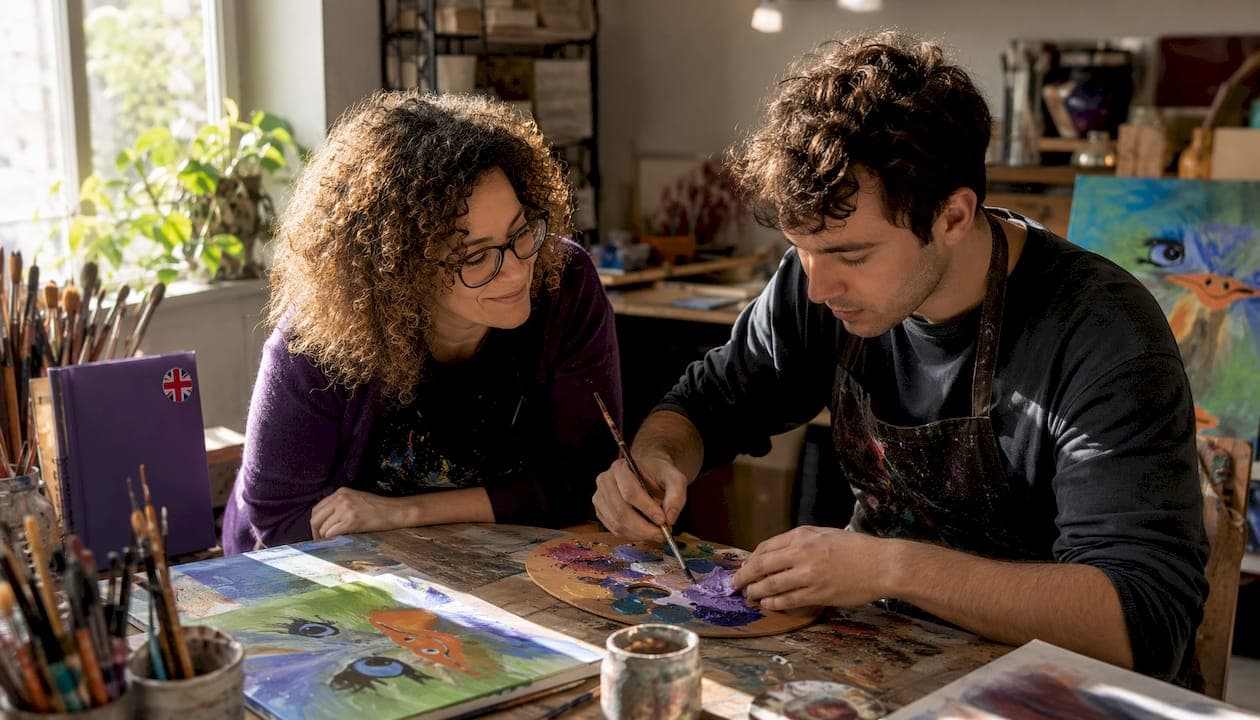
Art therapy is a clinically supported mental health practice with documented benefits for psychological, emotional, cognitive, and physical well-being. The American Art Therapy Association defines it as a mental health profession that uses active art-making, creative process, and applied psychological theory within a psychotherapeutic relationship. The American Psychological Association (APA) recognizes its ability to deepen self-insight, resolve trauma, and promote inner development. Here is what the evidence shows:
Core benefits supported by research:
- Reduced psychological distress, including depression and anxiety symptoms
- Improved emotional regulation and self-esteem
- Better cognitive function, including memory and executive function
- Development of coping mechanisms for trauma and chronic illness
- Enhanced social skills and interpersonal communication
- Physical benefits including pain management and improved motor skills
Meta-analyses of visual art therapy show a standardized mean difference of 0.38 in change-from-baseline outcomes compared to control groups, indicating a meaningful positive effect across diverse patient populations.
Table of Contents
- The art therapy benefits list: What science says about each effect
- How clinical art therapy differs from casual creative activities
- What regular creative engagement does to your brain over time
- What the authoritative research actually confirms
- Limitations and contraindications of art therapy
The art therapy benefits list: What science says about each effect
Clinical trials and systematic reviews back each of the following benefits. The research spans children, veterans, elderly adults, cancer patients, and people with serious mental illness.
1. Reduced psychological distress
Art therapy helps patients with depression, anxiety, PTSD, and cancer symptoms through emotional expression and structured creative engagement. Randomized controlled trials show that introducing art therapy alongside pharmacological treatment for major depressive disorder improved both depression and anxiety scores. The gains held at follow-up.
2. Improved emotional regulation
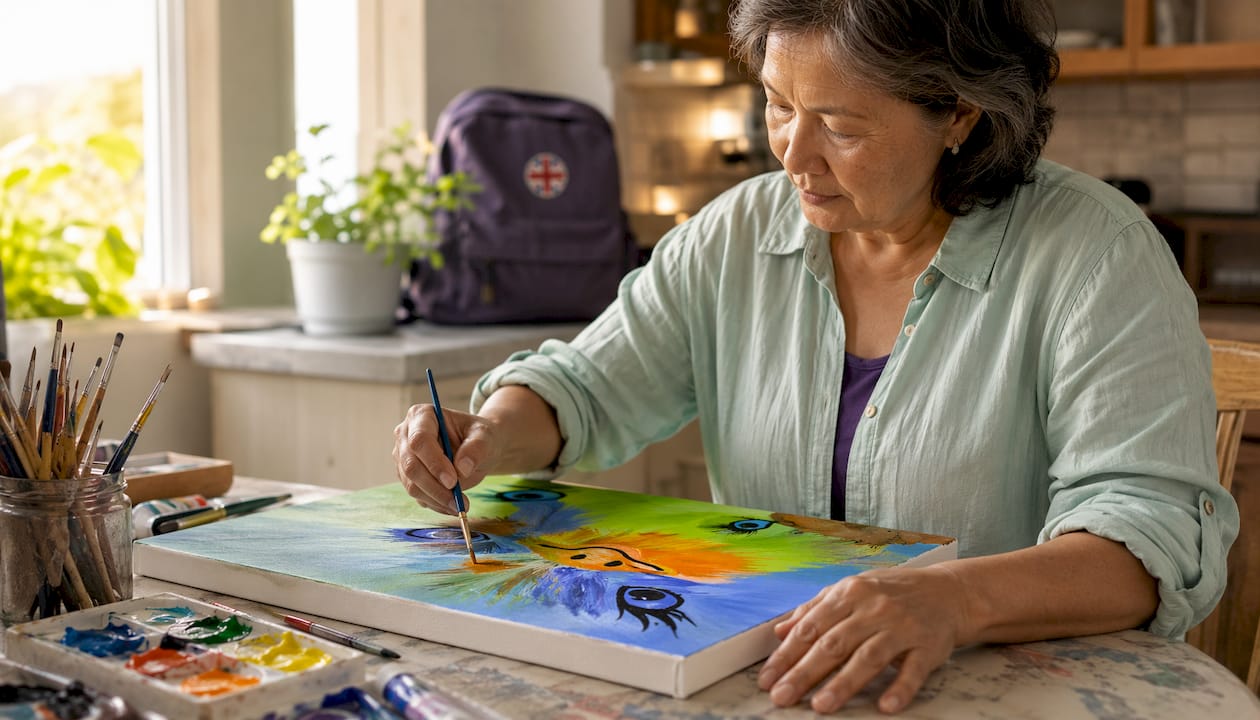
Emotion regulation is a documented mechanism behind anxiety reduction in art therapy. According to research, the most significant gains appear in two areas: better emotion acceptance and goal-oriented action. When people externalize feelings through paint or clay, they gain distance from those feelings, which makes them easier to process.
3. Enhanced self-esteem
Art therapy builds self-esteem by reinforcing feelings of competence and self-worth through the act of creating something. One study found that participants who completed a two-month art therapy course continued making art independently afterward, reporting a stronger sense of accomplishment. The skill itself matters less than the experience of finishing something you made.
4. Better cognitive function
Art therapy improves cognitive and sensorimotor functions across age groups, with particular evidence in dementia and Alzheimer's populations. Multidisciplinary cognitive rehabilitation programs using art therapy activities, including drawing, painting, and expressive writing, improved quality of life in patients with mild Alzheimer's disease. For children with behavioral challenges or autism spectrum disorder, structured art sessions support attention and executive function.
5. Coping mechanisms for trauma and chronic illness
"Visual arts offer veterans suffering from PTSD a nonthreatening alternative to compose in images what is inexpressible to them with words. It is a way in and often the first step to organize and express overwhelming feelings and sensations they experience." — American Art Therapy Association
Art therapy is particularly effective during crisis, trauma, and grief. Military veterans with PTSD, student survivors of mass shootings, and people in health crises all appear in the clinical literature as populations where art therapy provides measurable relief. The creative process gives people a way to tell their story before they can find the words.
6. Social skills and communication
Art therapy improves social skills and communication across age groups and conditions. Studies with people diagnosed with schizophrenia show improved self-efficacy and reduced social functioning problems following group art therapy. For children with behavioral challenges, structured art sessions build interpersonal skills that transfer outside the therapy room.
7. Physical pain management
Randomized controlled trials in breast cancer patients found that art therapy significantly reduced pain, nausea, and anxiety following surgery. The mechanism is partly attentional: creative engagement shifts mental focus away from the painful stimulus. In hospital settings, art therapy has also been linked to reduced need for sleep medication and shorter hospital stays.
8. Motor skills improvement
Art-making with clay, pottery, collage, and painting requires fine motor engagement. For stroke patients and elderly adults in rehabilitation, these activities serve a dual purpose: they support physical recovery while simultaneously addressing emotional distress. The combination of motor and expressive work is one reason art therapy appears in occupational and physical rehabilitation settings.
9. Benefits for children
Art therapists work with children experiencing behavioral challenges, autism spectrum disorder, and trauma. Creative activities give children a nonverbal outlet for emotions they cannot yet articulate. Research links art therapy to reductions in both internalizing problems (anxiety, withdrawal) and externalizing behaviors (aggression, defiance) in young people.
10. Benefits for veterans
Veterans with PTSD and traumatic brain injury benefit from art therapy's trauma-processing capacity. The creative process helps alleviate guilt and restore a sense of self-continuity. Art becomes the narrative, and the therapist uses that narrative as the foundation for deeper therapeutic work.
11. Benefits for elderly adults
Elderly adults, particularly those with dementia or depression, show improved quality of life and cognitive status through art therapy. Studies in nursing home settings found positive effects on depression scores and self-esteem. Ceramic painting, collage, and painting activities also support fine motor retention in older populations.
12. Support for cancer patients
A study of women with cancer engaging in card-making, collage, pottery, and watercolor found four distinct benefits: focusing on positive life experiences, enhanced self-worth through creative achievement, maintaining a social identity beyond illness, and expressing feelings related to treatment. A separate study found reduced emotional distress and decreased physical symptoms with art therapy.
How clinical art therapy differs from casual creative activities
Clinical art therapy and recreational art-making are not the same thing, and the distinction matters for anyone deciding whether to seek professional help or simply pick up a coloring book.
"Art therapy is a mental health profession that enriches the lives of individuals, families, and communities through active art-making, creative process, applied psychological theory, and human experience within a psychotherapeutic relationship." — American Art Therapy Association
A credentialed art therapist holds a master's degree or higher, trained in both art and psychological theory. Sessions are structured around specific treatment goals. The therapist guides clients through symbolic and metaphorical exploration, helping them integrate nonverbal cues that surface through the creative process. Therapeutic value lies in the process, not in artistic skill or the final product.
Recreational art activities, including adult coloring books, casual crafting, or puzzle books, offer genuine mood and stress benefits. The APA notes that casual creative arts can improve mood and reduce stress. But without a trained professional guiding the work toward therapeutic goals, those activities do not constitute clinical treatment. They are valuable for well-being maintenance, not clinical intervention.
Pro Tip: If you enjoy adult coloring books or creative activities at home for relaxation, you are already accessing some of the mood benefits linked to arts engagement. For clinical mental health needs, a licensed art therapist is the appropriate next step.
What regular creative engagement does to your brain over time
The benefits of creative engagement extend well beyond formal therapy sessions. A 2026 review published in Nature Reviews Psychology introduced the concept of the "arts exposome": the idea that day-to-day patterns of arts engagement activate a combination of interconnected neural mechanisms that support long-term emotional and cognitive well-being.
Neuroscientific studies link art therapy to reconfigurations of the brain's default mode network, salience network, and central executive network. These changes support self-processing, emotion regulation, and cognitive control. Art therapy also produces flow states, periods of focused engagement where time perception dissolves, which correlate with positive emotions like joy and gratitude and support post-traumatic growth.
| Mechanism | Effect | Population studied |
|---|---|---|
| Default mode network reorganization | Improved self-processing and emotion regulation | Trauma, PTSD, stroke patients |
| Flow state induction | Positive emotions, reduced rumination | General clinical populations |
| Interpersonal neural synchrony | Enhanced social connection and communication | Schizophrenia, group therapy settings |
| Symbolic meaning-making | Post-traumatic growth, narrative reframing | Veterans, trauma survivors |
Regular creative engagement, even outside formal therapy, activates these mechanisms. The role of creativity in wellness is not limited to clinical settings. Consistent creative habits, whether journaling, coloring, or working through puzzle books for brain health, contribute to the kind of sustained neural engagement the arts exposome framework describes.
What the authoritative research actually confirms
The evidence base for art therapy is real but comes with important caveats about study quality and scope.
A systematic review and meta-analysis published in JAMA Network Open covering 50 studies and 2,766 participants found that visual art therapy was associated with improvement in 18% of measured outcomes compared to 1% in control groups. The standardized mean difference of 0.38 in change-from-baseline analyses indicates a positive effect, though the authors note substantial heterogeneity across studies and call for higher-quality research.
The American Art Therapy Association and the APA both recognize art therapy's clinical value for depression, anxiety, PTSD, cancer-related distress, and dementia. A review of art therapy for serious mental illness described it as a "potentially low-risk and high benefit intervention" for minimizing symptoms and maximizing functioning. Research specifically supports benefits for children with autism and behavioral challenges, veterans with PTSD, elderly adults with dementia, and cancer patients undergoing treatment.
| Point | Details |
|---|---|
| Core clinical benefits | Art therapy reduces distress, improves emotional regulation, self-esteem, cognition, and coping across populations. |
| Meta-analysis finding | A 50-study meta-analysis found art therapy associated with improvement in 18% of outcomes vs. 1% in controls. |
| Effect size | The standardized mean difference of 0.38 in change-from-baseline analyses indicates a meaningful positive effect. |
| Arts exposome | Daily creative engagement activates interconnected neural mechanisms supporting long-term brain health. |
| Best use case | Art therapy works best as an adjunct to standard treatments like cognitive behavioral therapy, not as a standalone cure. |
Limitations and contraindications of art therapy
Art therapy complements other mental health treatments but is not a standalone cure. Its effectiveness varies with the therapist's approach, the patient's condition, and how well it integrates with standard care like cognitive behavioral therapy. Most studies in the field are of low quality, with small sample sizes and inconsistent outcome measures, which means the evidence base, while promising, is not yet definitive.
Some people find the open-ended nature of art-making uncomfortable or anxiety-provoking, particularly those who are highly self-critical or who associate creative work with performance and judgment. Art therapy is not recommended as a replacement for medication in conditions where pharmacological treatment is clinically indicated. Access is also a practical barrier: credentialed art therapists are not available in every community, and sessions may not be covered by all insurance plans.
For children and adults with certain trauma histories, the process of externalizing emotions through art can surface difficult material quickly. A trained therapist manages that process carefully. Without professional guidance, attempting to replicate clinical art therapy techniques at home carries the risk of emotional overwhelm without adequate support. Recreational creative activities, by contrast, carry minimal risk and are appropriate for general well-being maintenance. Craft kits for kids and adult coloring books serve that purpose well without requiring clinical oversight.