

TL;DR:
- Fun word search themes personalize puzzles by connecting familiar topics to solver interests, increasing engagement.
- They range from popular categories like animals and holidays to niche hobbies, with difficulty adjusted via grid size and word placement.
Fun word search themes are specific categories or topics that transform a blank letter grid into an engaging, satisfying puzzle experience by connecting the solver's interests with familiar vocabulary. The right theme makes a puzzle feel personal rather than generic. Categories like Animals, Holidays, Sports, and Harry Potter appear consistently across printable resources from sites like Homemade Gifts Made Easy and puzzle platforms like BuzzFeed because they deliver immediate recognition. This guide covers the most popular and creative word search themes across all ages, explains how to match themes to skill levels, and shows you how to keep puzzle sessions fresh and fun.
1. the best fun word search themes for all ages
The most popular themed word search puzzles draw from categories that almost everyone recognizes. Theme categories like Father's Day, Beach, Animals, Sports, Art, Science, Superheroes, Presidents, Weather, Music, Movies, Disney, Flowers, and Travel appear across dozens of printable roundups because their vocabulary is immediately familiar.
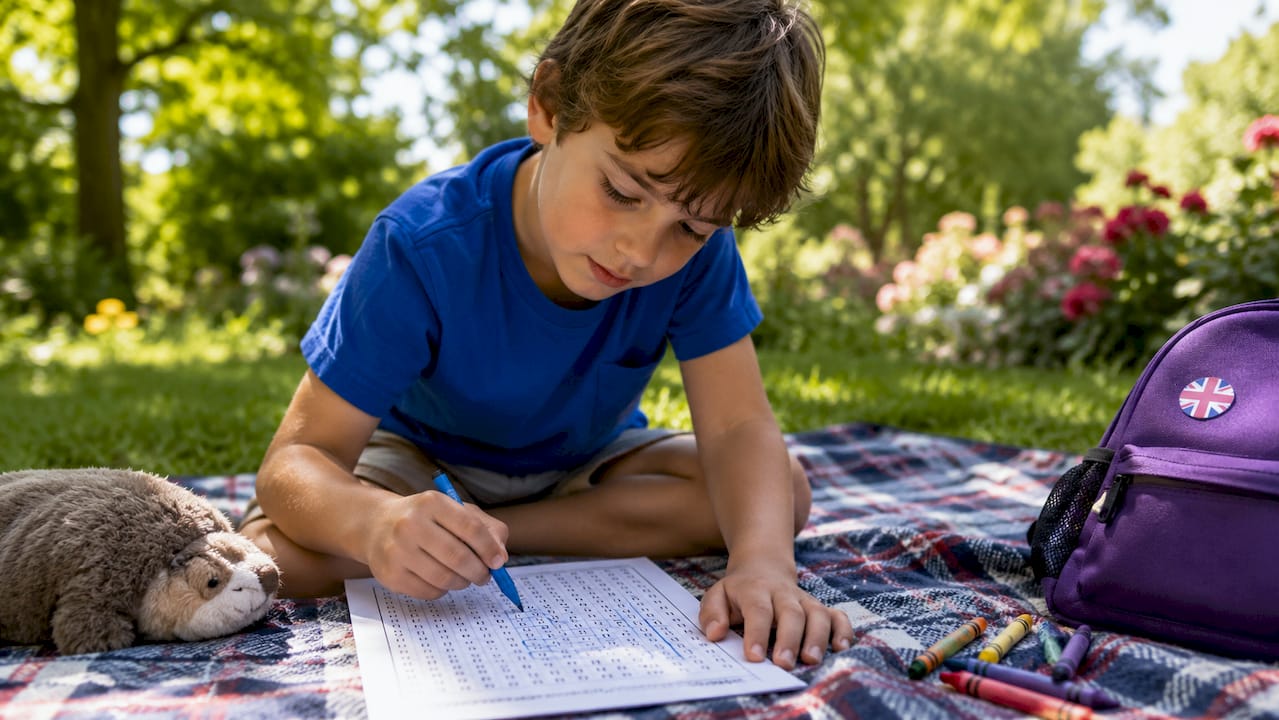
These themes work for a simple reason. Solvers already know the words before they start searching, which creates a satisfying loop of recognition and reward. That familiarity is what keeps people coming back.
Here are the strongest evergreen categories to start with:
- Animals: Dogs, cats, jungle creatures, ocean life. Works for every age group.
- Sports: Football, basketball, soccer, swimming. Excellent for kids and adults alike.
- Science: Planets, elements, weather phenomena. Scales well from elementary to adult.
- Music: Instruments, genres, composers. Pairs well with classroom or hobby use.
- Seasonal and holiday themes: Easter, Thanksgiving, Winter, and Father's Day give puzzles a timely hook that increases motivation to solve them.
- Pop culture: Disney characters, Harry Potter spells, Marvel superheroes. These themes generate strong emotional connection, especially for younger solvers.
- Nature and travel: Flowers, National Parks, weather systems. These themes appeal to adults looking for leisure puzzles with a calming, exploratory feel.
The learning benefits of themed puzzles extend beyond vocabulary. Solvers build category knowledge and pattern recognition at the same time.
2. tailoring themes by age and skill level
The best word search themes fuse a specific audience, a clear topic, and a difficulty level matched to the solver's ability. Choosing the right theme is only half the work. The other half is adjusting how the puzzle is built.
For younger children (ages 5–7): Keep grids small and word lists short. A guide from Quixword recommends 8×10 to 10×10 grids with 6–8 words placed only horizontally or vertically. Animal names, colors, and simple holiday words work perfectly at this level.
For older elementary students (grades 3–5): Increase the word count and grid size. A Beach Day word search designed for grades 3–5 uses 25 themed words. That balance delivers enough challenge without overwhelming the solver.
For teens and adults: Larger grids, diagonal and backward placements, and longer thematic words raise the difficulty significantly. Themes like Science, Classical Music, or National Parks suit this group well.
Here is a numbered approach to adjusting difficulty without changing your theme:
- Start with a 10×10 grid and horizontal/vertical placement only.
- Add diagonal placements once the solver is comfortable.
- Introduce backward words to push the challenge further.
- Increase word count from 8 words to 15–25 as skill grows.
- Mix short common words with longer specific ones to create early wins alongside harder finds.
The key insight here is that difficulty is mostly mechanical, not thematic. You can keep a Father's Day theme constant and make it appropriate for a six-year-old or a sixty-year-old simply by changing the grid and word list.
Pro Tip: Mix short words like "dad" and "hug" with longer words like "dedication" and "encouragement" in the same puzzle. Younger solvers get early wins, while older solvers stay engaged longer.
3. unique and creative themes for specialized interests
Niche themes are where word searches get genuinely interesting for adults. Adult-oriented word search books regularly feature categories like coffee and tea culture, classical music and jazz, crafts and sewing, birdwatching, hiking, and national parks. These themes turn a simple puzzle into a mini-celebration of a personal hobby.
Specialized themes also make excellent gifts. A puzzle book built around café culture, with words like "espresso," "barista," "pour-over," and "cortado," feels curated and personal in a way that a generic Animals puzzle does not.
Here are some unique word search topic ideas worth exploring:
- Café and coffee culture: Espresso drinks, brewing methods, coffee-growing regions.
- Classical music: Composers, instruments, Italian tempo terms.
- Crafts and sewing: Stitch types, fabric names, tools like "bobbin" and "seam ripper."
- Birdwatching: Species names, habitat terms, field guide vocabulary.
- Hiking and outdoor adventure: Trail types, gear names, landmark vocabulary.
- Astrology and astronomy: Planet names, constellation terms, moon phases.
- Cooking and cuisine: Ingredients, techniques, international dish names.
Theme clarity is the secret ingredient in specialized puzzles. When every word in the grid belongs to the same tight category, solvers feel a stronger connection to the puzzle. That connection improves both enjoyment and word retention.
Pro Tip: When building a niche puzzle as a gift, pull vocabulary from the recipient's actual hobby. A knitter will immediately recognize "yarn over" and "cable cast-on," and that recognition makes the puzzle feel personal rather than generic.
For adults who want puzzle types that build real skills, themed word searches offer a low-pressure way to reinforce hobby vocabulary while relaxing.
4. daily and rotating themes for repeated engagement
Daily puzzle formats are one of the most effective ways to build a consistent puzzle habit. BuzzFeed's daily word search uses 10 themed words hidden in multiple orientations, including horizontal, diagonal, vertical, forwards, and backwards, with a goal to finish as quickly as possible. That structure turns a casual activity into a repeatable challenge.
Rotating themes keep the experience fresh. A solver who completes a Nature puzzle on Monday, a Movies puzzle on Wednesday, and a Travel puzzle on Friday never feels like they are doing the same thing twice. The ritual stays the same. The content changes.
Here is how to build a rotating daily puzzle system:
- Fix the word count at 10–15 words per session to keep the time commitment predictable.
- Rotate through 5–7 theme categories on a weekly cycle.
- Vary word placement orientations each day to prevent the solver from developing a single scanning habit.
- Set a personal time goal and try to beat it on repeat sessions with the same theme.
- Use seasonal themes during holidays to give the routine a timely, celebratory feel.
Rotating daily themes with timed challenges increases engagement and refreshes the puzzle-solving experience on a regular basis. The timed element adds a game-like quality that pure leisure puzzles often lack.
5. which themes fit which contexts best?
Not every theme works in every setting. A classroom needs different content than a family game night or a solo adult leisure session. The table below compares popular word search theme categories across the criteria that matter most.
| Theme Category | Best Age Group | Difficulty Range | Ideal Context | Engagement Level |
|---|---|---|---|---|
| Animals | Ages 5 and up | Easy to medium | Classroom, family | High |
| Holidays and seasonal | All ages | Easy to medium | Family, parties | Very high |
| Sports | Ages 8 and up | Medium | Classroom, family | High |
| Science | Ages 10 and up | Medium to hard | Classroom, adult leisure | Medium |
| Pop culture (Disney, Harry Potter) | Ages 6–16 | Easy to medium | Family, parties | Very high |
| Coffee and café culture | Adults | Medium | Adult leisure, gifts | High |
| Classical music | Adults | Medium to hard | Adult leisure, gifts | Medium |
| National Parks and hiking | Adults | Medium | Adult leisure, gifts | High |
| Nature and flowers | All ages | Easy to medium | Family, classroom | High |
Pop culture themes like Disney and Harry Potter generate the highest engagement among younger solvers because the vocabulary already has emotional weight. Science and classical music themes suit adults who want a puzzle that feels enriching rather than purely recreational. Holiday activity books for kids consistently show that seasonal themes outperform generic ones in classroom and family settings because they carry built-in excitement.
Key takeaways
The most effective word search themes combine a recognizable topic, age-appropriate vocabulary, and mechanical difficulty controls like grid size and word placement direction.
| Point | Details |
|---|---|
| Theme familiarity drives engagement | Choose categories where solvers already know most of the words before they start. |
| Difficulty is mechanical, not thematic | Adjust grid size, word count, and placement directions to fit any age group. |
| Niche themes work best as gifts | Specialized topics like café culture or birdwatching feel personal and curated. |
| Daily rotation builds puzzle habits | Rotating 5–7 themes weekly with a timed goal keeps the activity fresh and repeatable. |
| Context shapes theme choice | Pop culture suits parties and family sessions; science and music suit adult leisure. |
What i've learned after years of themed puzzles
My honest experience with word search themes comes down to one observation: the theme is the promise, and the word list is the delivery. A puzzle labeled "Harry Potter" that uses generic words like "wand" and "magic" feels like a letdown. A puzzle that includes "Horcrux," "Patronus," and "Dumbledore" feels like it was made by someone who actually cares.
I have found that the themes people return to most are the ones that teach them something small. A coffee culture puzzle where you discover the word "ristretto" sticks with you. A birdwatching puzzle where you find "oystercatcher" makes you want to look it up. That small moment of curiosity is what separates a good themed puzzle from a forgettable one.
My personal favorites are seasonal themes for group settings and niche hobby themes for solo leisure. Seasonal puzzles like Thanksgiving or Winter create a shared context that makes solving feel communal, even when everyone is working independently. Hobby themes like hiking or classical music feel like a private reward for knowing something specific.
The advice I give most often is this: do not default to the easiest theme. Animals and Colors are fine starting points, but solvers of any age respond better when the theme surprises them slightly. A puzzle about National Parks or jazz musicians signals that someone put real thought into it. That signal matters more than most puzzle creators realize.
Experiment freely. A theme that sounds too niche almost always works better than expected because the solver brings their own knowledge and enthusiasm to it.
— Mark
Explore themed word search puzzles at Munkterproducts
Munkterproducts offers a curated selection of themed word search books designed for both children and adults, covering everything from holiday activity puzzles to artistic adult-focused collections. Each book is built with clear themes, appropriate vocabulary ranges, and print quality that makes solving genuinely enjoyable rather than frustrating.

Whether you are looking for a seasonal puzzle book for a classroom, a niche hobby puzzle as a gift, or a daily word search collection for personal leisure, Munkterproducts has options that go beyond generic grids. The word search books available cover themes that match the categories discussed in this guide, with postage included on all orders. Browse the full catalog and find a theme that fits your next puzzle session.
FAQ
What are the most popular word search themes?
Animals, Holidays, Sports, Science, and Pop Culture themes like Disney and Harry Potter are consistently the most popular. These categories use familiar vocabulary that solvers of all ages recognize immediately.
How do i make a word search harder without changing the theme?
Increase the grid size, add more words, and allow diagonal and backward placements. Difficulty is primarily mechanical, meaning the theme stays the same while the structure changes.
What word search themes work best for young children?
Ages 5–7 respond best to Animal, Color, and simple Holiday themes on small grids with 6–8 words placed only horizontally or vertically. Keeping the word list short prevents frustration and builds confidence.
Are there good word search themes for adults?
Coffee culture, classical music, birdwatching, hiking, and National Parks are strong adult-oriented themes. These topics enrich leisure puzzle solving and work well as personalized gifts.
How often should you change word search themes?
Rotating themes daily or every few sessions keeps the activity fresh. A weekly cycle of 5–7 different categories, combined with a timed goal, builds a consistent and enjoyable puzzle habit.