

TL;DR:
- A reading journal transforms passive reading into an active process that boosts retention.
- Starting with any available medium and focusing on simple, consistent entries helps maintain the habit.
A reading journal is a dedicated space where you record your thoughts, quotes, and reflections about what you read. It transforms reading from passive consumption into an active mental process. Writing about reading increases information retention by up to 40% compared to reading alone. That single fact makes a strong case for picking up a pen. Learning how to start a reading journal is simpler than most readers expect, and this guide walks you through every step without the pressure of perfection.
How to start a reading journal: choosing the right medium
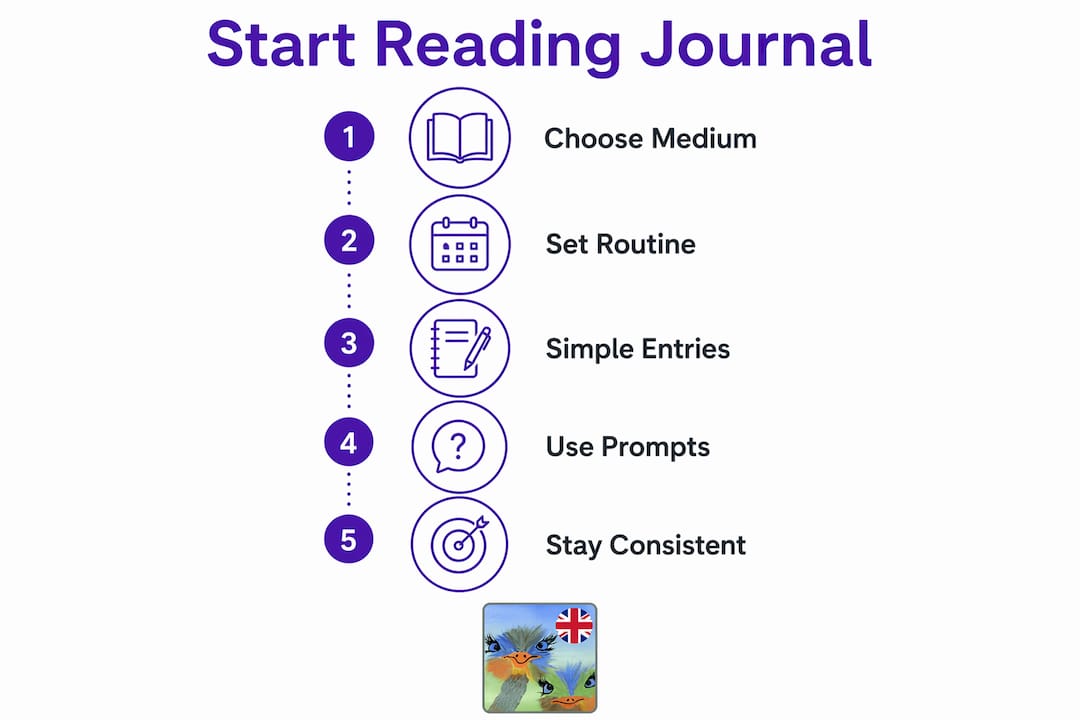
The first decision in creating a reading journal is picking your format. Three main mediums work well: blank notebooks, digital apps, and structured printables. Each one fits a different kind of reader.

Blank notebooks give you complete creative freedom. You can sketch, paste ticket stubs, write sideways, or fill a whole page with a single quote. Physical reading journals provide tactile satisfaction and stronger personal ownership, which boosts motivation over time. The downside is that they are harder to search and organize as your collection grows.
Digital apps offer speed and convenience. You can log a book from your phone in under a minute, tag entries by genre, and search every note you have ever written. The tradeoff is that screens can feel impersonal, and the lack of physical ownership sometimes reduces the sense of commitment.
Structured printables and pre-formatted journals sit in the middle. They give you prompts and sections already laid out, which removes the blank-page anxiety that stops many beginners cold. A personalized journal format can match your reading style and keep entries consistent without requiring you to design anything yourself.
| Format | Best for | Main benefit | Main drawback |
|---|---|---|---|
| Blank notebook | Creative readers | Total freedom | Hard to organize |
| Digital app | Busy or mobile readers | Speed and searchability | Less personal feel |
| Structured printable | Beginners and planners | Built-in prompts | Less flexibility |
Basic supplies are minimal. A notebook, a pen you enjoy writing with, and a consistent spot to keep them are enough to start. For digital readers, a free notes app works fine on day one.
Pro Tip: Do not spend a week choosing the perfect notebook before you write a single word. Start with whatever you have on hand. You can upgrade your setup once the habit is established.
When and how to write effective journal entries
Timing matters more than most readers realize. Three natural moments work best for making entries: during reading, after finishing a chapter, and after completing the whole book. Each moment captures a different layer of your response.
Writing during reading catches raw, unfiltered reactions. A quick note in the margin or a one-line entry in your journal records what surprised you before your brain rationalizes it away. Writing after a chapter lets you reflect on how the story or argument developed. Writing after the full book gives you the big picture, the emotional landing point, and your overall verdict.
Beginners do best starting with three simple questions per entry and spending about 5–10 minutes writing. The three questions are: What is this book about? What stood out to me? How does it connect to my life? These questions keep entries focused and low-pressure, which is exactly what you need when building a new habit.
Habit stacking is the most reliable technique for journaling consistency. It means pairing your journaling with an existing routine, such as writing immediately after your nightly reading session before you put the book down. The existing habit acts as a trigger, and the new behavior attaches to it naturally.
Common habits that kill journaling momentum include:
- Skipping entries when life gets busy and then feeling too behind to catch up
- Setting unrealistic expectations, like writing a full page for every chapter
- Treating missed days as failures instead of normal interruptions
- Comparing your journal to polished examples online
Pro Tip: Pair your journal with your reading spot. Keep both on the same nightstand or in the same bag. Physical proximity removes the friction that causes skipped entries.
What to include: reading journal prompts and content ideas
A reading journal entry does not need to be long or formal. Even one word or sentence capturing a feeling or a favorite quote enriches the experience. That means there is no entry too short to count.
Start with the basics for every book: title, author, date started, date finished, format (print, ebook, or audio), and a star rating. These details take thirty seconds and create a useful reading record over time. From there, add whatever feels natural.
Good reading journal prompts push you past summary and into genuine reflection. A strong set to work from includes:
- What emotion did this book leave me with, and why?
- Which character or idea do I keep thinking about after closing the book?
- What is one sentence from this book I want to remember in ten years?
- Did this book change how I think about anything? If so, what?
- What would I tell a friend who asked whether to read this?
- Is there a moment in the book that reminded me of my own life?
- What did the author get right? What felt false or unconvincing?
Optional additions keep your journal engaging over months and years. Reading goals, genre tracking, and annual reading challenges give you something to look back on. A simple list of books you want to read next turns your journal into a living document rather than a static record.
Active writing connects new ideas to existing knowledge through a process cognitive scientists call elaborative interrogation. This deepens understanding and improves long-term recall in ways that passive reading simply cannot match.
Pro Tip: If you are stuck on what to write, copy out one sentence from the book that moved you. That single quote often unlocks a paragraph of your own thoughts.
How do you keep a reading journal going long term?
The most common reason readers abandon their journals is the pursuit of perfection. Overly artistic or elaborate journal spreads are a leading cause of burnout among beginners. When every entry feels like a design project, the journal stops being a reading tool and becomes a chore.
Function beats decoration every time. A plain entry with honest thoughts is worth more than a beautifully illustrated spread you dread creating. Keep the bar low enough that you never feel reluctant to open the journal.
For readers who want to go deeper, the dual-tracking method works well. Annotating books or Kindle highlights during reading and then transferring key quotes and thoughts to the journal afterward is a two-step process that preserves spontaneity while keeping your journal organized. You read freely without stopping to write full entries, then review your highlights later and choose what to transfer.
When you hit a journaling slump, try these recovery moves:
- Switch to a shorter book or a graphic novel to rebuild momentum
- Write just one sentence per book for a month, no more
- Reread a few old entries to remember why you started
- Change your format temporarily, like switching from notebook to index cards
"A reading journal should support your reading life, not control it."
That principle is worth returning to whenever the journal starts to feel like homework. The goal is a richer reading experience, not a perfect archive. Keep it personal, keep it flexible, and the habit will last.
Key takeaways
A reading journal works best when it stays simple, consistent, and personal rather than elaborate or performance-driven.
| Point | Details |
|---|---|
| Start with the right medium | Choose a blank notebook, digital app, or structured printable based on your lifestyle, not what looks best online. |
| Use three core questions | Ask what the book is about, what stood out, and how it connects to your life to keep every entry focused. |
| Stack the habit | Journal immediately after reading in the same session to build consistency through habit stacking. |
| Keep entries short | Even one sentence or a single quote counts as a valid entry and prevents burnout. |
| Function over decoration | Plain, honest entries sustain the practice longer than elaborate spreads that feel like a second job. |
What I have learned from years of keeping a reading journal
The advice I wish someone had given me early on is this: start ugly. My first reading journal was a dollar-store composition notebook with entries that were barely two sentences long. Those entries are now some of my favorites to reread, because they are completely unfiltered.
The readers I have seen give up on journaling almost always made the same mistake. They started with a beautiful journal and high expectations, then felt guilty when reality did not match the vision. The journal became a source of pressure instead of pleasure, and they stopped opening it.
What actually works is treating the journal like a private conversation with yourself about books. Nobody else reads it. There is no grade. A three-word entry like "hated the ending" is a legitimate record of your reading life. Over time, those small entries add up to something genuinely interesting: a map of how your taste, opinions, and thinking have changed.
The retention benefit is real and worth taking seriously. Writing activates a different kind of processing than reading alone, and you will notice the difference within a few weeks. Books you journaled about stay with you in a way that books you only read do not.
Start with one book. Write three sentences when you finish it. That is the whole system on day one.
— Mark
Munkterproducts has the journals to get you started
Reading journals work best when the physical object feels worth writing in. Munkterproducts carries a range of handcrafted notebooks and journals designed for readers who want something more personal than a generic spiral pad.

Whether you prefer a blank notebook for total creative freedom or a structured self-help journal with built-in prompts, Munkterproducts offers options that fit both styles. The catalog also includes novelty stationery and planners that pair well with any book journaling practice. Postage is included on orders, so getting started costs nothing extra. Browse the full selection at Munkterproducts and find the journal that makes you want to write.
FAQ
What is a reading journal?
A reading journal is a notebook or digital document where you record thoughts, quotes, and reflections about books you read. It deepens engagement and improves retention compared to reading alone.
How long should a reading journal entry be?
Entries can be as short as one sentence or one quoted line from the book. Length does not determine value; consistency does.
What are the best reading journal prompts for beginners?
Start with three questions: What is this book about? What stood out? How does it connect to my life? These keep entries focused and take about 5–10 minutes to answer.
Should I use a physical notebook or a digital app?
Physical notebooks provide stronger personal ownership and tactile satisfaction, while digital apps offer speed and searchability. Choose based on your daily routine, not what looks most appealing.
How do I build a consistent journaling habit?
Use habit stacking: write your entry immediately after each reading session, in the same sitting. Pairing the new behavior with an existing routine is the most reliable way to make it stick.