
TL;DR:
- Family reading sessions involve regular, shared reading to improve literacy and emotional bonds between parents and children. Consistent short sessions with age-appropriate books and a cozy space foster lasting habits and engagement for children of all ages.
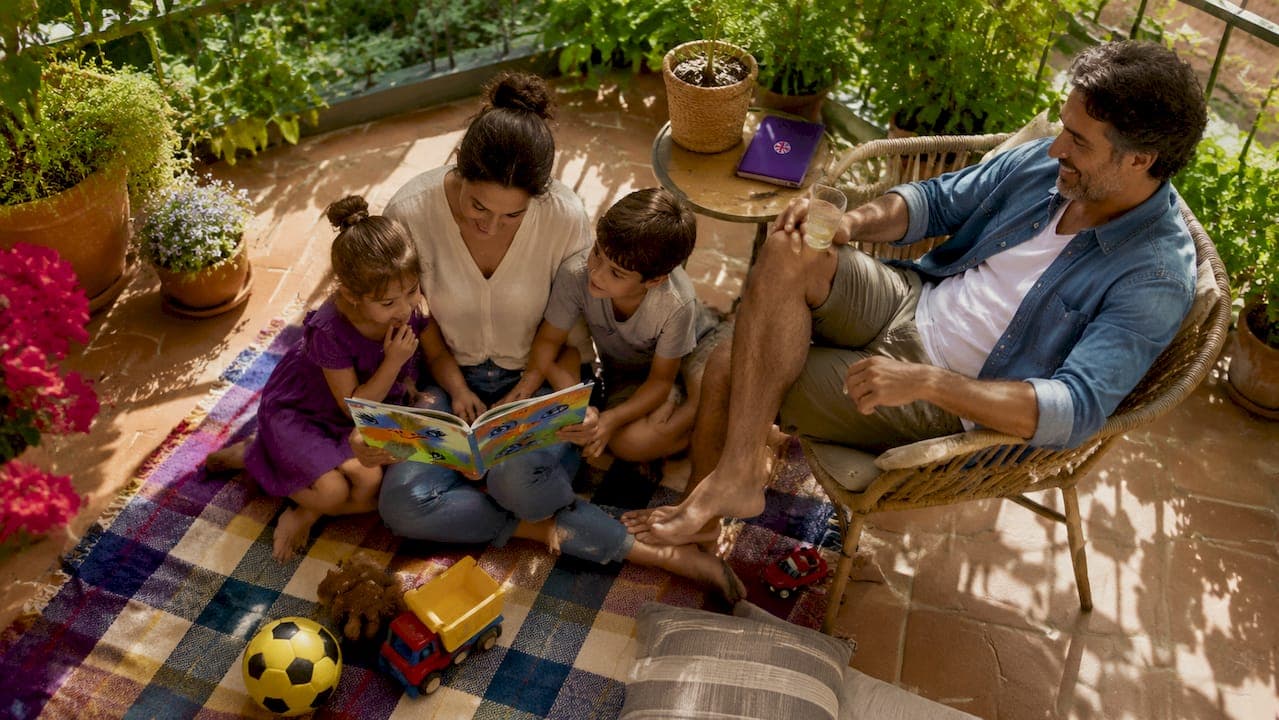
Family reading sessions are defined as regular, shared reading time where parents and children read together to build literacy, language, and emotional connection. The benefits of family reading reach well beyond books. Research shows that home-based shared reading produces measurable gains in vocabulary, language development, and overall developmental outcomes. Knowing how to start family reading sessions does not require a perfect setup or a teaching degree. You need a consistent time, the right books, and a low-pressure attitude that makes reading feel like a treat rather than a task.
How to start family reading sessions: what you need first
The right tools make the difference between a session that lasts three minutes and one that becomes a weekly ritual. Start with age-appropriate books. A picture book works for toddlers, while a chapter book like Charlotte's Web by E.B. White or The BFG by Roald Dahl holds older children's attention. Pair books with a physical space that signals "reading time." A cozy corner with good lighting, soft pillows, and minimal screen distractions trains children to associate that spot with calm focus.
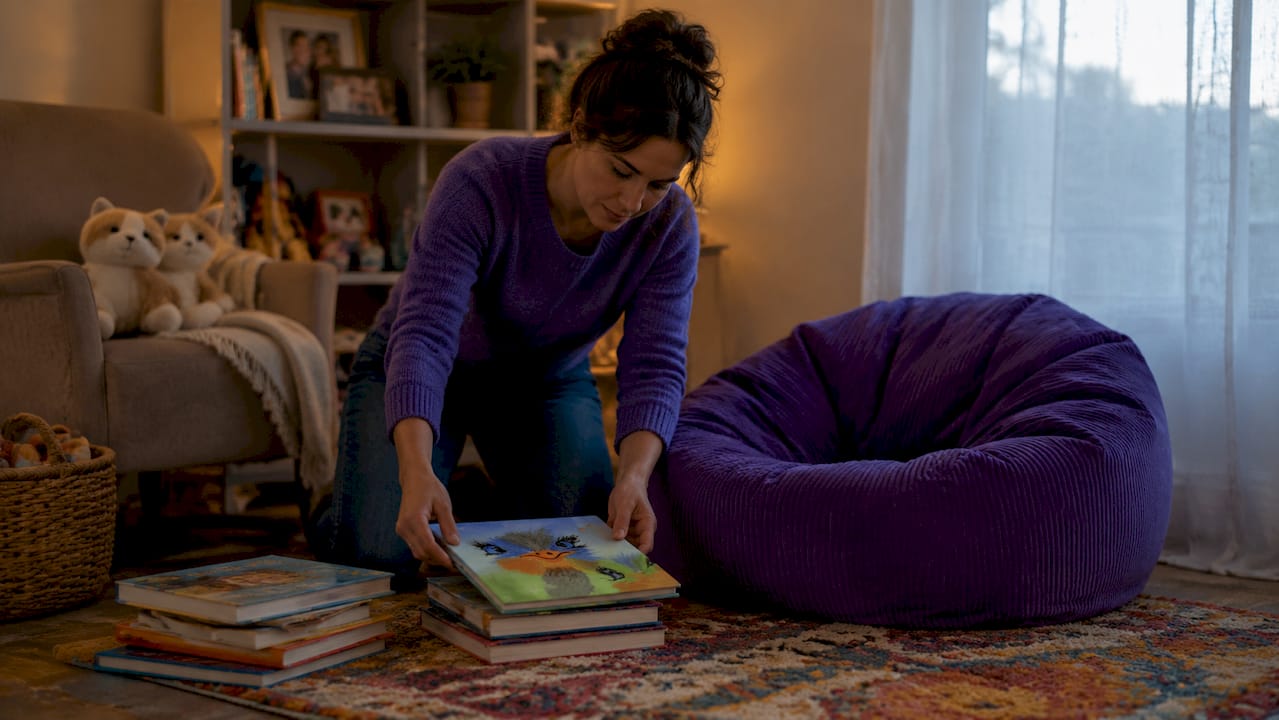
Pre-session preparation matters more than most parents expect. Handling bathroom breaks and having a small snack ready before you open a book prevents the interruptions that derail momentum. These small steps frame reading as a calming ritual rather than a chore.
Pro Tip: Set up your reading space before calling the kids over. Dim the overhead lights, add a lamp, and place the book on the cushion. The visual cue alone signals that something special is about to happen.
| Setup idea | Pros | Cons |
|---|---|---|
| Dedicated reading nook | Builds strong habit association | Requires dedicated space |
| Living room couch | Familiar and comfortable | More distractions nearby |
| Child's bedroom floor | Calm, low-stimulation environment | Limited seating for multiple kids |
| Outdoor reading spot | Fresh air boosts alertness | Weather dependent |
How do you create a consistent family reading routine?
Consistency beats duration every time. Short, frequent reading sessions of 10–20 minutes daily produce stronger results than one long session on the weekend. That finding comes from literacy experts who track child development over time. A daily 15-minute read before bed outperforms a 90-minute Saturday session in terms of habit formation and language retention.
Follow these steps to build a routine that sticks:
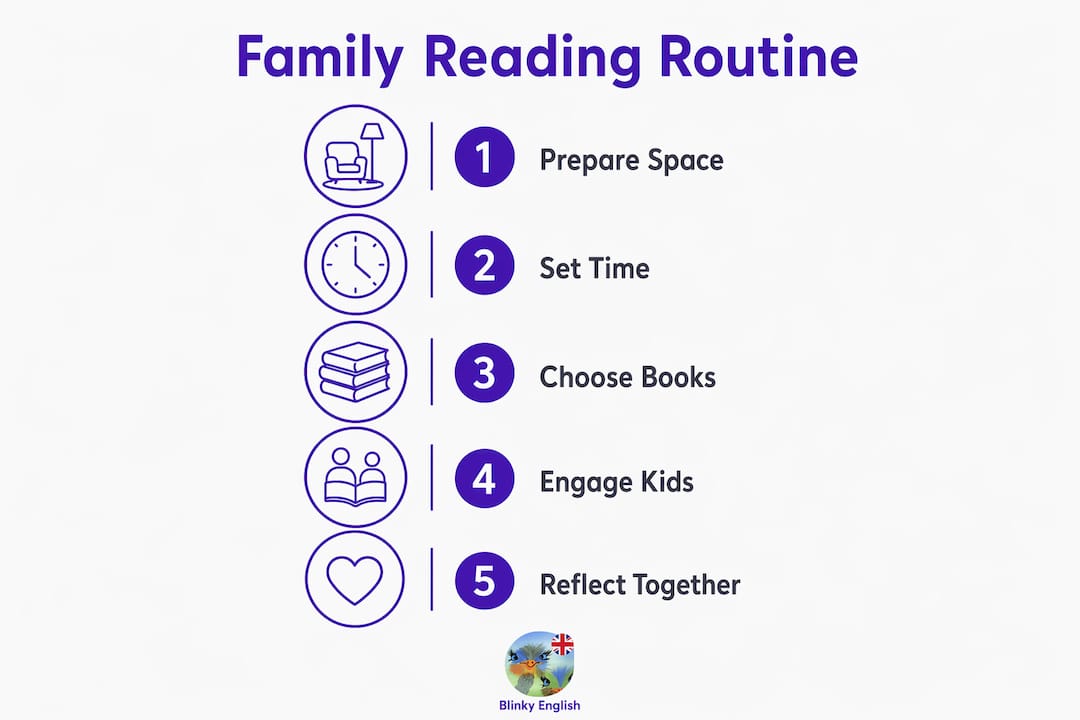
- Pick a fixed time. Bedtime, after dinner, or right after school all work. The key is that the time does not change from day to day.
- Start small. Begin with 10 minutes. Children who succeed at short sessions ask for more. Children who are pushed through long ones resist the next one.
- Let children choose books. Rotating book selection between parent and child gives kids ownership. A child who picks the book is far more likely to stay engaged.
- Create a simple opening ritual. Turning off the TV, grabbing a blanket, and sitting together for 30 seconds before reading signals the brain that it is time to focus.
- Track progress visually. A simple reading chart on the fridge, where kids add a sticker after each session, builds momentum and pride.
Resistance is normal, especially in the first two weeks. Push through it gently. Family reading routines take about three weeks to feel natural. After that, children often remind parents when it is time to read.
Pro Tip: If a child refuses on a particular night, read aloud to yourself for five minutes. Curiosity almost always wins. Children who hear a story starting without them rarely stay away for long.
What reading strategies keep children engaged at every age?
Read-aloud sessions work for children of all ages. Children over 8 still benefit from and enjoy being read to, even after they can read independently. That surprises many parents who assume read-alouds are only for young children. The shared experience, the voices, and the conversation around the story are what make it valuable at any age.
Techniques that work across age groups
Turn-taking is one of the most effective methods. Each person reads a page or a paragraph, then passes the book. This keeps everyone active and prevents the passive drift that kills engagement. Pair turn-taking with open-ended questions: "What do you think will happen next?" or "Why do you think she did that?" These questions build comprehension and make the story feel like a conversation.
For families with children of different ages, mixing picture books and chapter books in the same session works well. A younger child gets a picture book read aloud first, then the family moves to a chapter book that older kids enjoy. No one is bored, and no one feels left out.
The One Page Promise is a strategy worth knowing. The One Page Promise works by telling a reluctant reader they only have to read one page. After that page, they decide whether to continue. The low-pressure entry point removes the dread of a long commitment. In practice, children almost always keep reading once they are in the story.
Here are additional engagement methods that work:
- Ask children to predict the ending before the last chapter
- Use different voices for different characters during read-alouds
- Pause and let children draw a scene from the story after the session
- Connect the story to real life: "Has anything like that ever happened to you?"
- For neurodivergent children, allow fidget toys or weighted blankets during reading time
Pro Tip: Model your own love of reading. Let children see you reading for pleasure outside of session time. Children who see adults read for fun are far more likely to build reading habits that last into adulthood.
What are the most common challenges in family reading sessions?
Short attention spans, sibling age gaps, and reluctance to read aloud are the three challenges parents report most often. Each one has a practical fix.
Attention spans: Do not fight a wandering mind. Session length should flex based on the child's energy and interest, ranging from 15 minutes to over an hour. Ending a session while children still want more is far better than pushing past the point of enjoyment. A session that ends on a positive note builds anticipation for the next one.
Sibling age gaps: A 4-year-old and a 9-year-old have very different attention spans and reading levels. The fix is a two-book structure. Start with a short picture book for the younger child, then transition to a chapter book for the older one. The younger child often stays and listens to the chapter book out of curiosity.
Reluctance to read aloud: Some children feel shame about reading mistakes. Praising effort rather than correcting errors keeps the environment shame-free. Say "Great try, that was a tough word" instead of immediately correcting. Children who feel safe making mistakes read more, not less.
Additional solutions that help:
- Use a timer so children know exactly when the session ends
- Offer comfort items like a favorite stuffed animal during reading time
- Never use reading as a punishment or a reward for behavior
- Rotate who picks the book to prevent one child from dominating choices
- Celebrate finishing a book with a small ritual, like a high-five or a special snack
Making reading a pleasurable shared experience is the single most effective way to build lifelong literacy habits. Children who associate books with warmth and connection read more as adults.
| Challenge | Recommended solution |
|---|---|
| Short attention span | End sessions early; keep them positive |
| Sibling age gap | Use a two-book structure per session |
| Fear of reading aloud | Praise effort; never shame mistakes |
| Reluctance to start | Use the One Page Promise strategy |
Key takeaways
Starting family reading sessions requires consistency, flexibility, and a focus on enjoyment over perfection, not expensive tools or a rigid curriculum.
| Point | Details |
|---|---|
| Start with a fixed time | Daily 10–20 minute sessions build stronger habits than long, irregular ones. |
| Prepare the space first | A cozy, distraction-free spot with snacks and bathroom breaks handled sets a calm tone. |
| Let children choose books | Giving kids ownership over book selection increases engagement and reduces resistance. |
| Use the One Page Promise | Telling reluctant readers they only need to read one page removes pressure and extends sessions naturally. |
| Praise effort, not perfection | A shame-free environment keeps struggling readers motivated and coming back. |
Why I think most parents start family reading the wrong way
Most parents I talk to begin family reading sessions with the best intentions and the wrong goal. They focus on literacy outcomes: sight words, comprehension scores, reading levels. That framing turns reading time into homework. Children feel it immediately, and they resist.
The sessions that actually stick are the ones built around connection, not curriculum. I have watched families transform their evenings by doing one simple thing: choosing a book the parent genuinely loves and reading it aloud with real enthusiasm. The child does not care about the reading level. They care that their parent is excited. That excitement is contagious.
Flexibility is the other thing most guides undervalue. A session that runs 8 minutes because a child is tired is not a failure. It is a success. You showed up. You read together. You protected the positive association. That matters more than hitting a word count or finishing a chapter.
The families who sustain reading routines for years are not the ones with the most books or the best reading nooks. They are the ones who treat every session as a small win, celebrate finishing a book like it is an event, and never make a child feel bad for struggling. Start there, and the rest follows naturally.
— Mark
Find the right books and tools at Munkterproducts
Building a family reading routine is easier when you have the right materials from the start.

Munkterproducts carries a curated selection of children's educational books, activity books, journals, and novelty stationery designed for both children and adults. Whether you are looking for a picture book to start with a toddler or a creative journal to complement your reading sessions, the collection covers a wide range of ages and interests. Every order ships with postage included, making it simple to get started without extra hassle. Visit Munkterproducts to browse the full catalog and find your family's next great read.
FAQ
How long should a family reading session be?
Short daily sessions of 10–20 minutes are more effective than long, irregular ones. Adjust the length based on your child's energy and interest on any given day.
What age should you start family reading sessions?
You can start reading aloud to children from birth. Shared reading builds language and vocabulary from the earliest months, and the benefits continue well past age 8.
How do you keep kids engaged during family reading time?
Use turn-taking, open-ended questions, and the One Page Promise strategy. Letting children choose their own books also increases engagement significantly.
What do you do when a child refuses to participate?
Start reading aloud without them. Curiosity typically draws reluctant children in within a few minutes. Never force participation or use reading as a punishment.
Can family reading sessions work with children of very different ages?
Yes. Mixing picture books and chapter books in the same session accommodates different ages and reading levels without excluding anyone.