
TL;DR:
- Family reading time involves regular, shared reading experiences that strengthen literacy and emotional bonds. Short, consistent sessions of 15 to 20 minutes, with child choice and a low-pressure atmosphere, foster lasting reading habits and empathy. Creating a cozy space and allowing flexibility helps sustain this meaningful family routine over time.
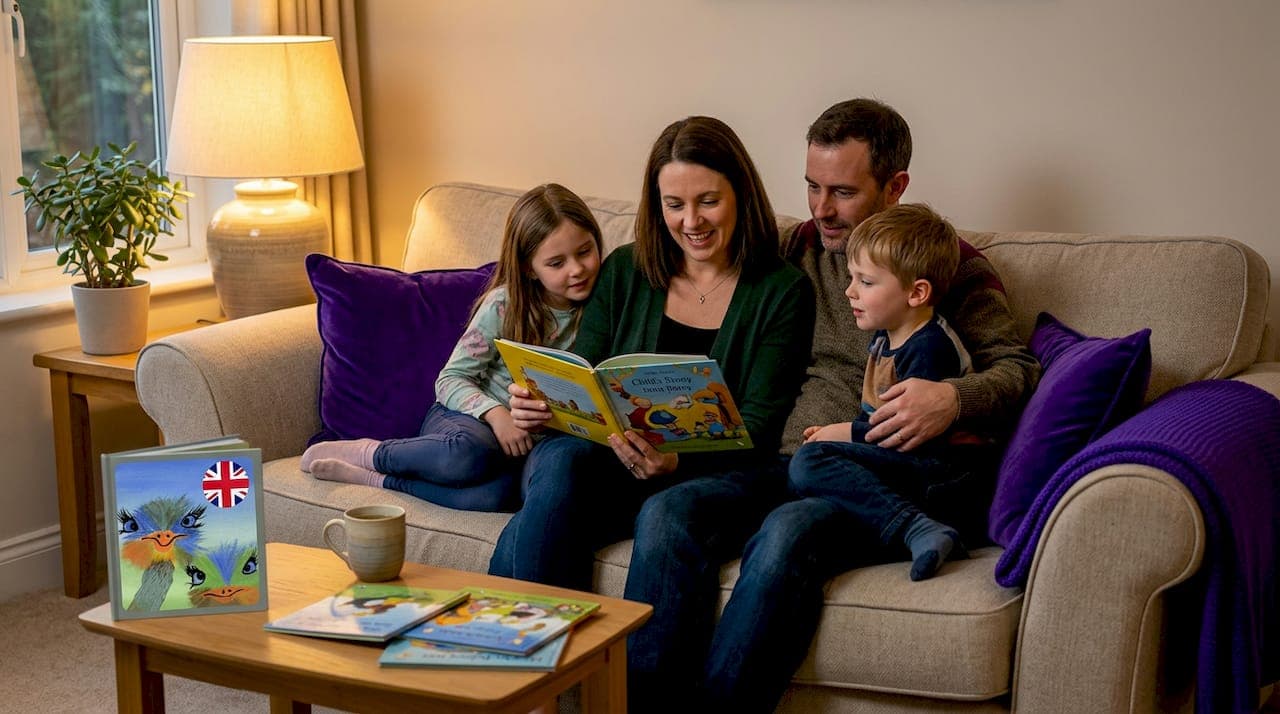
Family reading time is a designated shared period when caregivers and children read together or alongside each other, building literacy skills and strengthening family bonds through the simple act of opening a book. It is not a formal lesson or a performance. It is a predictable moment in the day when reading becomes part of your family's rhythm, whether that looks like a parent reading aloud at bedtime, everyone sitting quietly with their own books after dinner, or listening to an audiobook on a Sunday afternoon. Research confirms that consistent shared reading builds reading habits more effectively than occasional long sessions. The benefits reach far beyond literacy, touching empathy, emotional development, and the kind of quiet connection that busy families rarely find elsewhere.
What is family reading time and how does it work?
Family reading time is defined as a predictable shared block when caregivers and children read together or in each other's company, making reading part of daily family life. The format is flexible by design. Some families read aloud from a single chapter book. Others sit side by side, each with their own book. Some use audiobooks during car rides or wind-down time. All of these count.
The most common formats include:
- Read-aloud sessions: A caregiver reads to children of any age, from picture books for toddlers to middle-grade novels for older kids.
- Silent parallel reading: Everyone reads their own book in the same space, modeling that reading is a normal, enjoyable activity.
- Audiobooks and podcasts: Useful for families on the go or for children who struggle with print-based reading.
- Interactive story sharing: One person reads, then the group discusses characters, events, or feelings without any pressure to perform.
The timing most families gravitate toward is bedtime or the 20 minutes after dinner, when the household naturally slows down. But there is no single right time. Even five minutes counts, and families can adapt to daily, weekly, or even monthly rhythms depending on their schedules.
Pro Tip: Start with just one consistent slot per week rather than committing to every night. One reliable session builds the habit faster than seven inconsistent attempts.
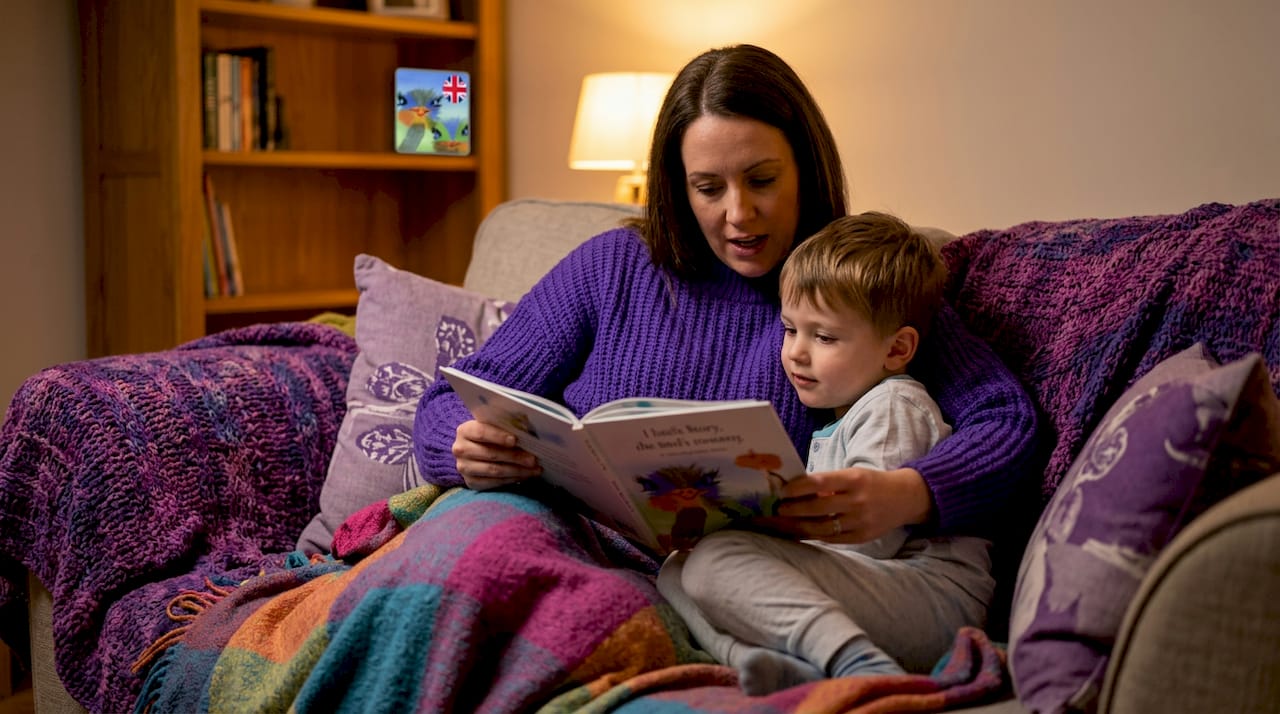
The key distinction between family reading time and solo reading homework is the shared presence. You do not need to quiz your child or correct every mispronounced word. The goal is to make reading feel like something your family does together, not something children do alone under obligation.
What are the benefits of family reading time?
The benefits of family reading are both well-documented and wider than most parents expect. Literacy improvement is the obvious one. Children who read regularly with caregivers develop stronger vocabulary, better comprehension, and more positive attitudes toward books. But the social and emotional gains are just as significant.
A 2026 study found that reading aloud nightly for two weeks measurably improved children's empathy, even when caregivers did not pause to ask reflective questions. That finding matters because it removes the pressure to perform as a teacher. You do not need a lesson plan. You need a book and 15 minutes.
"Reading aloud builds social-emotional brain pathways through repeated shared experience, regardless of elaborate questioning or teaching by the caregiver." — The Conversation, 2026
The importance of reading together extends into family connection as well. When a character in a story faces a hard choice, that moment naturally opens a conversation. Linking a character's feelings to your child's own experiences builds empathy and a sense of shared meaning that is hard to manufacture any other way. Calgary Public Library research confirms that these conversations strengthen family bonds beyond what the literacy gains alone would suggest.
Regular shared reading also reduces reading resistance. Children who associate books with warm, low-pressure family time are far less likely to fight bedtime reading or claim they hate books. The habit formed during family reading time tends to carry into independent reading as children grow older, which is one of the most reliable predictors of long-term academic success. You can explore more on building lasting reading habits to understand how early shared reading connects to lifelong literacy.
Short, regular sessions of 15 to 20 minutes daily outperform longer, inconsistent sessions for building reading habits. That means a 15-minute bedtime read beats a two-hour Saturday reading marathon every time.
How can families customize and sustain their reading routines?
Sustainability is the real challenge. Most families start family reading time with enthusiasm and lose momentum within a few weeks. The solution is not more discipline. It is better design.
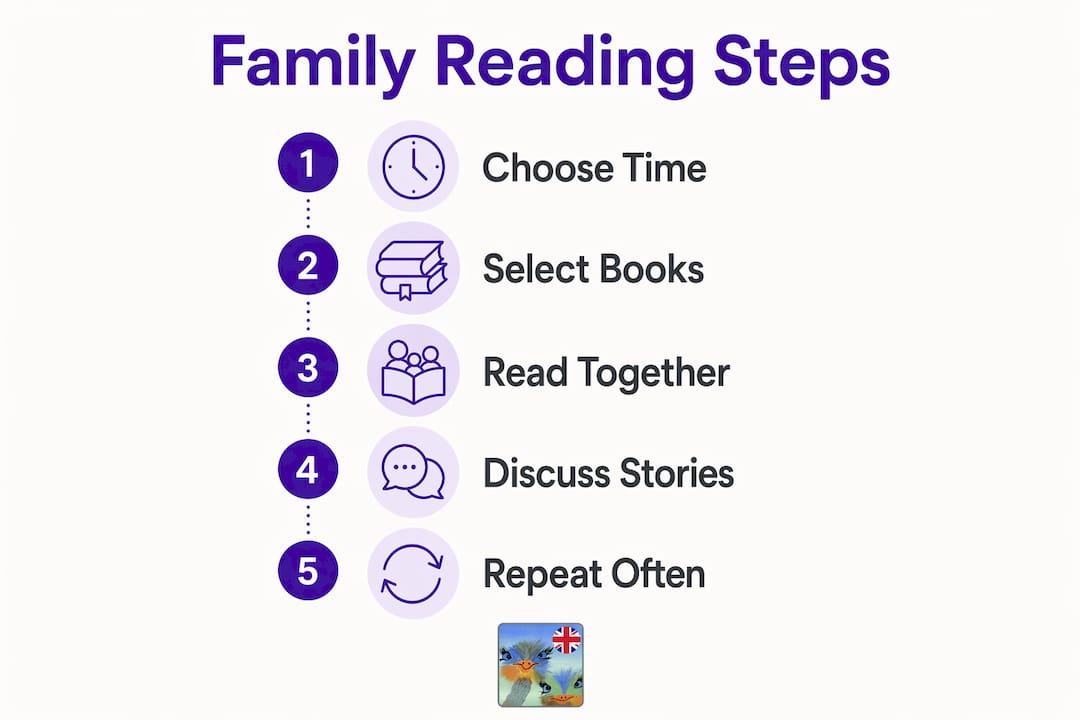
Here is a practical sequence for building a routine that lasts:
- Let children choose the material. Letting kids pick books dramatically increases their buy-in, especially for reluctant readers. Graphic novels, joke books, and nonfiction about dinosaurs all count.
- Create a physical reading space. A cozy corner with good lighting, a soft blanket, and a small shelf of rotating titles signals that reading time is special. Consider adding reading-themed wall art to personalize the space and make it feel intentional.
- Rotate your book selection regularly. A rotation mindset keeps sessions fresh. When a book feels stale, swap it out. There is no rule that says you must finish every book you start.
- Use a reading chart or jar. A simple visual tracker where children add a sticker or slip of paper for each session creates a sense of progress without turning reading into a chore.
- Adjust length and frequency honestly. A 5-minute session on a chaotic Tuesday is better than skipping entirely. Give yourself permission to scale down without abandoning the habit.
Pro Tip: Keep a small basket of books in the living room, not just the bedroom. Visible books get read. Books stored out of sight get forgotten.
Holiday and seasonal books are a particularly effective way to refresh the rotation. Titles tied to a specific time of year create natural anticipation and give the whole family a shared reading event to look forward to. Munkterproducts offers a curated range of holiday activity books for kids that work well for exactly this purpose.
How to get started with family reading time
Starting is simpler than most parents think. The biggest obstacle is usually the belief that it needs to be elaborate or perfectly consistent from day one. It does not.
Here is what actually works when you are starting from scratch:
- Pick one time slot and protect it. Bedtime is the most popular choice because it fits naturally into the wind-down routine. After dinner works well for families with younger children who are still alert.
- Gather materials for every age in the household. A toddler, a 9-year-old, and a teenager can all participate if each person has something appropriate to read. Check out a parent's guide to choosing children's books for age-specific recommendations.
- Read alongside your children, not just to them. When children see a caregiver reading for pleasure, they internalize the message that reading is something adults value. That modeling is more powerful than any reward system.
- Keep the atmosphere low-pressure. Open-ended, low-pressure interaction during reading time builds engagement without turning the session into a quiz. Ask "What do you think will happen next?" rather than "What was the main character's name?"
- Celebrate milestones without making them the point. Finishing a chapter book together, reaching 30 sessions on a reading chart, or simply having a great conversation about a story are all worth acknowledging.
The best books for family reading are the ones your family will actually open. Start with what your children are already curious about, then branch out from there. Nonfiction, poetry, graphic novels, and classic picture books all belong in the rotation.
Key takeaways
Family reading time works because consistent shared reading builds literacy, empathy, and family connection simultaneously, and it requires nothing more than a book, a willing caregiver, and 15 minutes.
| Point | Details |
|---|---|
| Clear definition | Family reading time is a shared period when caregivers and children read together or alongside each other regularly. |
| Short sessions win | Daily sessions of 15 to 20 minutes outperform longer, infrequent ones for building lasting reading habits. |
| Empathy grows fast | Reading aloud for just two weeks measurably improves children's social skills, even without structured questioning. |
| Child choice matters | Letting children pick their own reading material increases engagement and reduces resistance significantly. |
| Flexibility sustains it | Families can adapt frequency and length to their schedule. Even five minutes counts as meaningful reading time. |
Why family reading time is worth more than you think
I have watched a lot of families try to build reading routines, and the ones that stick share one thing in common. They stopped treating it as an educational intervention and started treating it as time they actually wanted to spend together.
The research on empathy and social skills is real and worth knowing. But the part that does not show up in studies is the way a 7-year-old will ask to stay up "just five more minutes" to find out what happens to the character. Or the way a teenager who claims to hate reading will quietly admit that the book you read together last year is still their favorite. Those moments are not measurable. They are the whole point.
My honest advice is to lower the bar dramatically at the start. One book. One night a week. No questions required. The habit builds itself once the association between reading and good family time is established. Perfection is the enemy of consistency here, and consistency is everything.
The real benefits of reading together compound quietly over months and years. You will not see them in a single session. You will see them when your child reaches for a book on their own, or when they tell you a story reminded them of something that happened to them. That is the payoff. It is worth the 15 minutes.
— Mark
Make your family reading time even better
Munkterproducts carries a hand-selected range of books, activity books, and creative stationery designed to make reading time more engaging for every age in the household.

From children's educational titles and holiday activity books to journals and word search books for adults, the catalog is built for families who take reading seriously without taking it too seriously. Whether you are setting up a reading nook for the first time or refreshing a routine that has gone stale, the right materials make a real difference. You can also personalize your reading space with reading-inspired art that celebrates books as a way of life. Browse the full collection at Munkterproducts and find something your family will actually want to open tonight.
FAQ
What is family reading time exactly?
Family reading time is a scheduled period when caregivers and children read together or in each other's presence, making reading a regular part of family life. It can include read-aloud sessions, silent parallel reading, or audiobooks.
How long should a family reading session be?
Sessions of 15 to 20 minutes daily are effective for building reading habits, though even five minutes counts. Consistency matters more than length.
Do I need to ask my child questions during reading time?
No. Research shows that reading aloud for two weeks improves children's empathy whether or not caregivers pause to ask questions. Low-pressure, open-ended conversation is helpful but not required.
What books work best for family reading time?
The best books are the ones your children are curious about. Graphic novels, nonfiction, picture books, and chapter books all work. Letting children choose their own material increases engagement and reduces resistance.
How do I keep family reading time from feeling like a chore?
Let children pick the books, keep sessions short, and avoid turning reading into a quiz. A cozy reading space and a simple visual tracker like a sticker chart help make the routine feel like a reward rather than an obligation.