
TL;DR:
- Handcrafted books uniquely engage the brain, boosting creativity and emotional well-being.
- They are made with deliberate materials and techniques, ensuring durability and personal significance.
- Using them fosters deeper neural activation, mindfulness, and meaningful gift-giving experiences.
Physical journals and handcrafted books do something unexpected to your brain. Analog writing boosts theta waves by 34% and triggers dopamine responses that digital screens simply cannot replicate. Yet most people still reach for a generic notebook or a notes app without a second thought. This guide breaks down exactly why handcrafted books offer something genuinely different, from their physical construction and artistic character to their measurable impact on creativity, mental health, and personal meaning. Whether you're journaling, gifting, or collecting, there's a strong case for going handcrafted.
Table of Contents
- What sets handcrafted books apart?
- The mental and creative benefits of using handcrafted books
- Handcrafted books as personalized gifts and keepsakes
- When are handcrafted books the right choice?
- Our perspective: The real reasons to invest in handcrafted books
- Discover handcrafted books designed for you
- Frequently asked questions
Key Takeaways
| Point | Details |
|---|---|
| Enhanced creativity | Handcrafted journals support greater creativity, memory, and emotional well-being than digital alternatives. |
| Emotional impact | Bookbinding and using quality, handmade books have measurable short-term mental health benefits. |
| Personalized gifting | Handcrafted books make memorable gifts and keepsakes for special occasions. |
| Quality and uniqueness | Each handcrafted book offers superior build, tactile pleasure, and a unique aesthetic no mass-produced book can match. |
What sets handcrafted books apart?
Now that we've set the stage, let's clarify what truly makes a handcrafted book different from its mass-produced cousins.
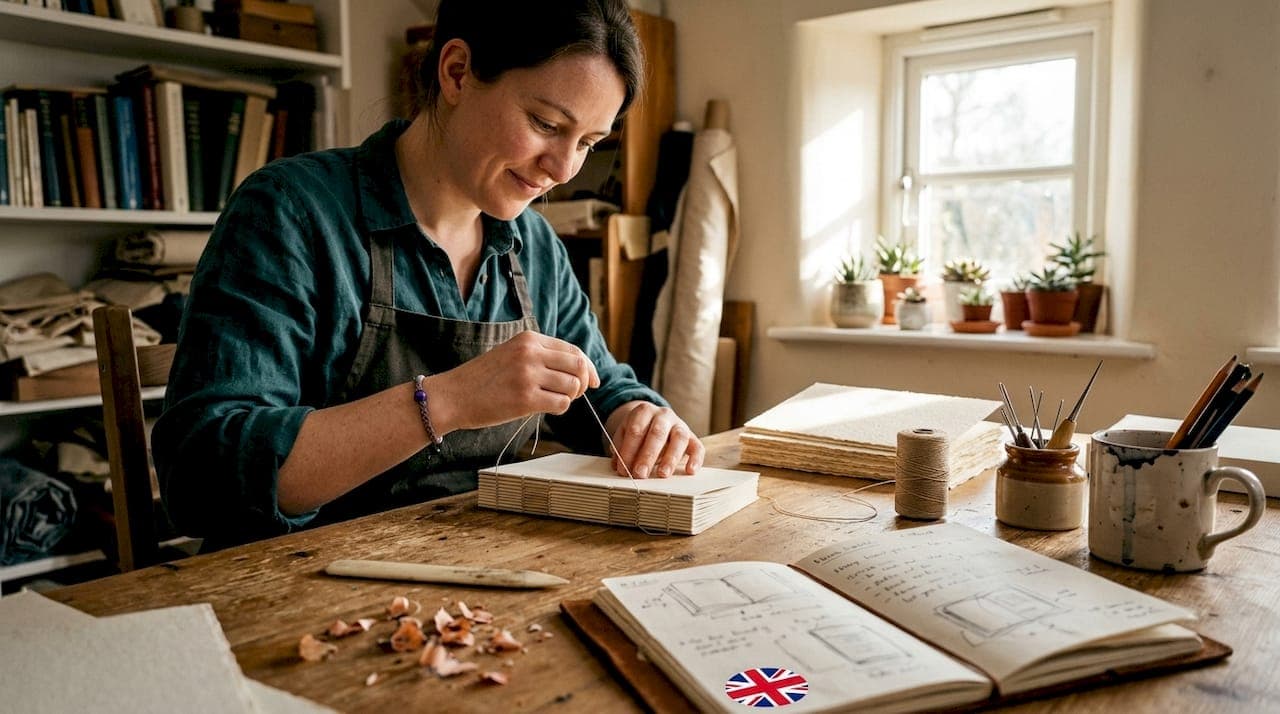
A handcrafted book is made with deliberate human involvement at every stage. Artisans select materials individually, stitch or glue bindings by hand, and often design covers using techniques like letterpress, linocut, or hand-painted illustration. The result is a physical object with personality. No two copies are exactly alike, and that variation is the point.
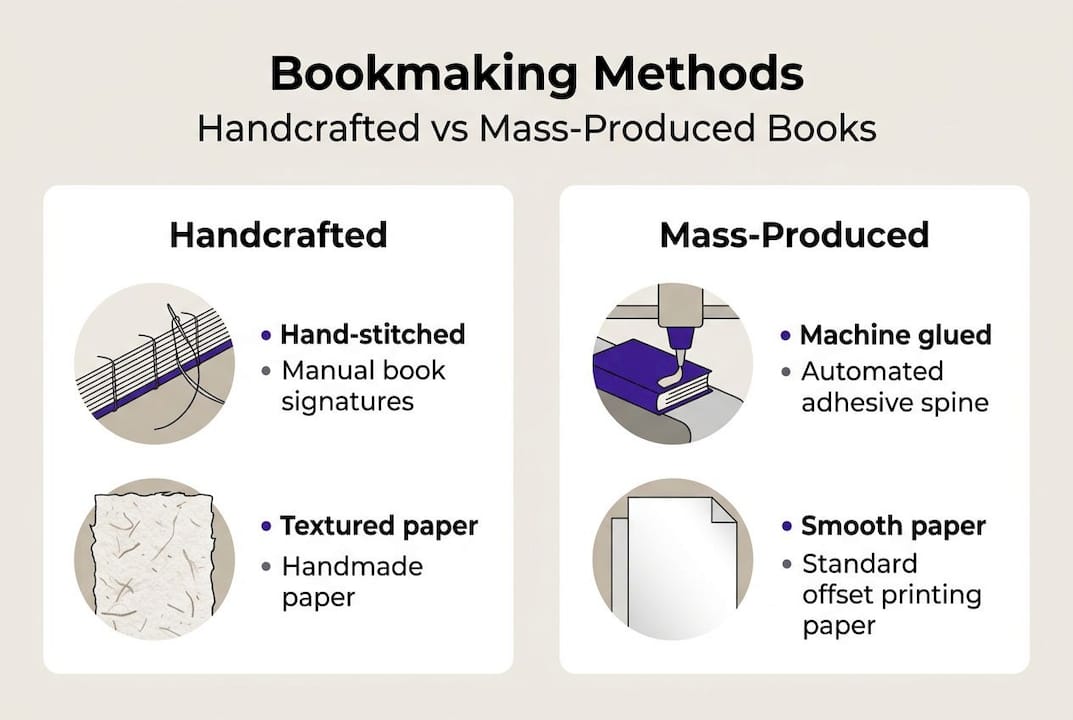
Mass-produced books prioritize speed and uniformity. Machines cut, bind, and laminate thousands of copies per hour. The paper is often thin, the covers are printed digitally, and the binding is glued rather than sewn. They serve a purpose, but they don't invite you to slow down and engage.
Handcrafted books, by contrast, use materials chosen for feel and longevity. Think acid-free paper with a slight texture, covers wrapped in linen or leather, and binding styles like Coptic stitch or Japanese stab binding that lay flat when open. These choices affect how you interact with the book every single time you use it. Analog writing supports better neural outcomes than digital alternatives, and the physical quality of the book you write in plays a real role in that experience.
Understanding the cultural value of book publishing helps explain why handcrafted books carry weight beyond their function. They represent a tradition of making that connects readers and writers to something larger than a single purchase.
Key features that distinguish handcrafted books:
- Hand-stitched or sewn bindings that open flat and last for decades
- Covers made from natural materials like leather, cloth, or handmade paper
- Interior paper selected for weight, texture, and archival quality
- Unique design elements that reflect the maker's artistic choices
- Slight variations that confirm human hands were involved
| Feature | Handcrafted books | Mass-produced books |
|---|---|---|
| Binding method | Hand-sewn or stitched | Machine-glued |
| Paper quality | Acid-free, textured, archival | Standard, thin, uniform |
| Cover material | Leather, linen, handmade paper | Laminated cardstock |
| Uniqueness | Every copy varies slightly | Identical across print run |
| Lifespan | Decades with proper care | Often degrades within years |
Pro Tip: To spot a genuinely handcrafted book, open it flat and look at the spine. Hand-sewn signatures create a visible thread pattern inside. Machine-bound books show a solid glue strip. Also feel the paper. If it has a slight grain or tooth, it was likely chosen intentionally rather than sourced for cost alone.
The mental and creative benefits of using handcrafted books
Understanding what makes these books special, let's explore how using them can positively impact your mind and creativity.
The research here is more interesting than most people expect. Crafts-based interventions show improvements in anxiety, stress, depression, self-esteem, mood, and overall well-being across 19 studies. Activities like bookbinding, which involve repetitive hand movements, focused attention, and visible creative output, consistently produce short-term mental health gains.
On the cognitive side, handwriting activates broader neural networks for creativity, memory, and emotional regulation compared to typing. The physical act of pressing pen to paper engages motor cortex regions that typing bypasses entirely. This is why many writers, therapists, and educators still recommend physical journals for processing emotions and generating ideas.
"The tactile engagement of writing by hand in a quality journal creates a feedback loop between physical sensation and cognitive processing that digital tools have not yet been able to replicate."
The proven wellness benefits of books extend beyond reading. Using a handcrafted journal as part of a daily routine adds a sensory ritual that signals your brain to shift into a more reflective, creative mode.
| Benefit | Evidence level | Notes |
|---|---|---|
| Reduced anxiety | Moderate | 19 short-term studies |
| Improved mood | Moderate | Craft-based activities |
| Enhanced memory | Emerging | Handwriting vs. typing |
| Creativity boost | Emerging | Theta wave activation |
| Emotional regulation | Emerging | Analog journaling research |
How to build handcrafted books into a wellness routine:
- Start with five minutes of unstructured writing each morning in your handcrafted journal. No agenda, just whatever surfaces.
- Use story-driven journaling for self-discovery to give your entries a narrative structure that builds over time.
- Pair your journaling with a low-stimulation environment. No screens nearby.
- Once a week, read back through what you wrote. Handwritten entries feel different to revisit than typed ones.
- Explore activity books for relaxation alongside journaling to vary your creative practice without adding pressure.
Handcrafted books as personalized gifts and keepsakes
Building on the benefits for well-being, let's see why handcrafted books shine as meaningful gifts and personalized keepsakes.
When you give someone a handcrafted book, you're giving them something that cannot be replicated by a quick online order. The uniqueness is built in. A hand-bound journal with a custom cover, or a sketchbook made from recycled materials, tells the recipient that thought and care went into the choice. That message lands differently than a gift card or a mass-market notebook.
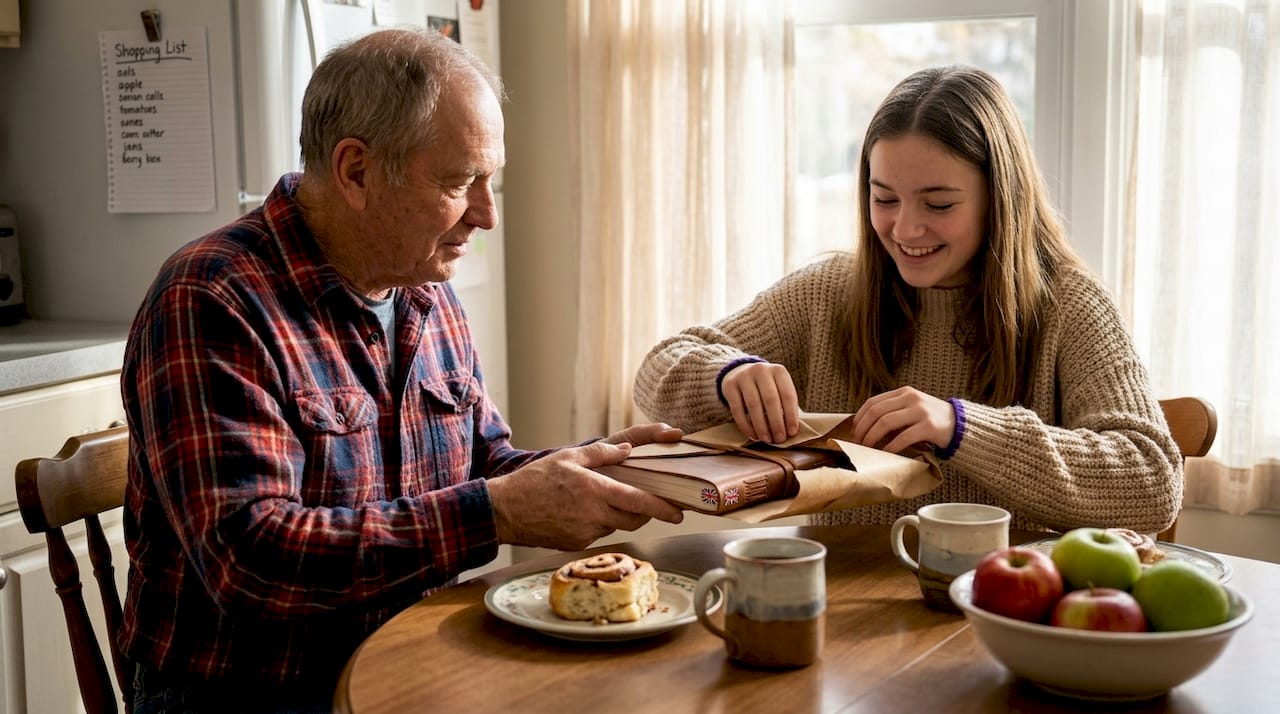
Handcrafted books work across a wide range of occasions. Birthdays, graduations, weddings, retirements, and holidays all call for gifts that feel considered rather than convenient. A beautifully bound blank journal given at a milestone moment often becomes a keepsake long after it's been filled. People keep them on shelves, pass them to children, or use them to preserve family stories.
The holiday book selection tips available for seasonal gifting show just how much thought goes into pairing the right book with the right person. Handcrafted options raise that experience further because they carry the maker's intention alongside your own.
Crafts-based activities reduce anxiety and boost mood in the short term, and receiving a handcrafted object can trigger similar positive emotional responses. The tactile quality of a well-made book activates pleasure and appreciation in ways that a digital gift simply cannot.
Why handcrafted books outperform generic gifts:
- They are one of a kind, making the recipient feel genuinely seen
- High-quality materials mean the gift lasts for years, not months
- Blank pages invite the recipient to create, not just consume
- They can be personalized with names, dates, or custom covers
- They connect to books for family traditions that carry meaning across generations
For families with children, activity books for kids offer a handcrafted-adjacent option that combines creativity with education. A thoughtfully chosen book, whether blank or filled, tells a story about the giver before a single page is turned.
Stat to know: Across 19 studies, crafts-based interventions produced measurable improvements in mood and self-esteem, reinforcing why giving someone a creative, tactile object carries real emotional weight.
When are handcrafted books the right choice?
After appreciating the sentimental and artistic value, it's time to clarify the best moments for investing in a handcrafted book.
Not every situation calls for a handcrafted book. A quick grocery list doesn't need hand-stitched binding. But there are specific scenarios where the investment pays off in ways that a mass-produced alternative simply cannot match.
Handwriting in physical journals activates neural networks for creativity and emotional regulation that digital tools bypass. That science makes handcrafted journals the right call whenever depth of thinking matters more than speed.
Scenarios where handcrafted books deliver the most value:
- Creative journaling: When you want a daily writing practice that feels meaningful and inviting, a beautiful handcrafted journal raises the stakes in the best way. You're less likely to skip a session when the book itself feels like an event.
- Personalized gifting: When a gift needs to communicate genuine care, a handcrafted book with a custom cover or personalized inscription does what no mass-produced item can.
- Art and collecting: Limited-edition handcrafted books from small presses or individual artisans carry cultural and financial value over time. They're objects worth owning.
- Legacy recording: Family histories, personal memoirs, and memory books belong in formats built to last. Archival-quality materials in handcrafted books protect your words for generations.
- Mindful creative projects: Sketchbooks, travel journals, and poetry collections feel more intentional when the physical container matches the care you put into the content.
Understanding handcrafted books in e-commerce shows how the market for these products has grown as more people recognize the gap between what mass production offers and what they actually want.
Pro Tip: When choosing an artisan or small press, look for transparency about materials and process. A maker who describes their binding technique, paper source, and cover materials is showing you they care about the craft. Vague descriptions like "handmade style" often mean machine-assisted production dressed up with artisan language.
Our perspective: The real reasons to invest in handcrafted books
Having covered the practical value, let's step back and consider what sets handcrafted books apart in a fast-paced, digital-first world.
Most conversations about handcrafted books focus on aesthetics. They look beautiful. They feel nice. That's true, but it misses the deeper argument. The real value is in what they ask of you. A handcrafted journal invites slower, more deliberate thinking. It resists the urge to skim, scroll, or delete. That resistance is a feature, not a limitation.
We think people underestimate the long game here. A handcrafted book you fill over six months becomes an artifact of your thinking during that period. A notes app from the same period is a searchable file you'll rarely revisit. The books' cultural impact argument applies at a personal level too. What you write by hand in a quality book carries more weight, literally and figuratively.
We'll be honest: evidence for crafts' mental benefits is promising but still limited to short-term, lower-quality studies. More rigorous research is needed. But the user experience and cultural legacy of handcrafted books don't wait for peer review. People who use them consistently report something that data hasn't fully caught up to yet.
Discover handcrafted books designed for you
If you're ready to explore thoughtfully crafted books for yourself or a gift, here's where to start.
Finding a handcrafted book that genuinely fits your creative life takes more than a quick search. It means looking for quality materials, intentional design, and a maker who understands what you're trying to do with the pages inside.

At Munkter Products, we curate journals, sketchbooks, coloring books, planners, and gift sets built for people who take their creativity seriously. Whether you're shopping for yourself or looking for a gift that will actually be remembered, our collection gives you options that mass-market retailers simply don't carry. Postage is included, and every product is chosen with the same care you'd put into filling its pages. Browse unique handcrafted books and find the one that fits your next chapter.
Frequently asked questions
Are handcrafted books better for creativity than digital journals?
Handcrafted books stimulate broader neural networks, enhancing creativity and emotional regulation more effectively than digital alternatives. The physical act of writing by hand engages motor and cognitive systems that typing bypasses.
Do handcrafted books really improve mental health?
Short-term studies show crafts-based activities like bookbinding can reduce anxiety and boost mood, though long-term, high-quality evidence is still limited. The results across 19 studies are encouraging but not yet definitive.
Why give a handcrafted book as a gift?
Handcrafted books are unique, memorable, and built to last, making them keepsakes rather than throwaway gifts. Their quality and personal touch communicate care in a way that generic alternatives cannot.
How do I know if a book is truly handcrafted?
Look for hand-sewn binding with visible thread, textured or weighted paper, and slight variations in the cover or construction that confirm human involvement over machine production.