
TL;DR:
- Fantasy creates entirely new worlds with mythical beings and consistent, rule-based magic systems.
- Subgenres include high, low, urban, and hybrid forms, each appealing to different tastes and age groups.
- The genre teaches empathy, courage, and moral complexity, serving as mirrors for personal growth rather than mere escapism.
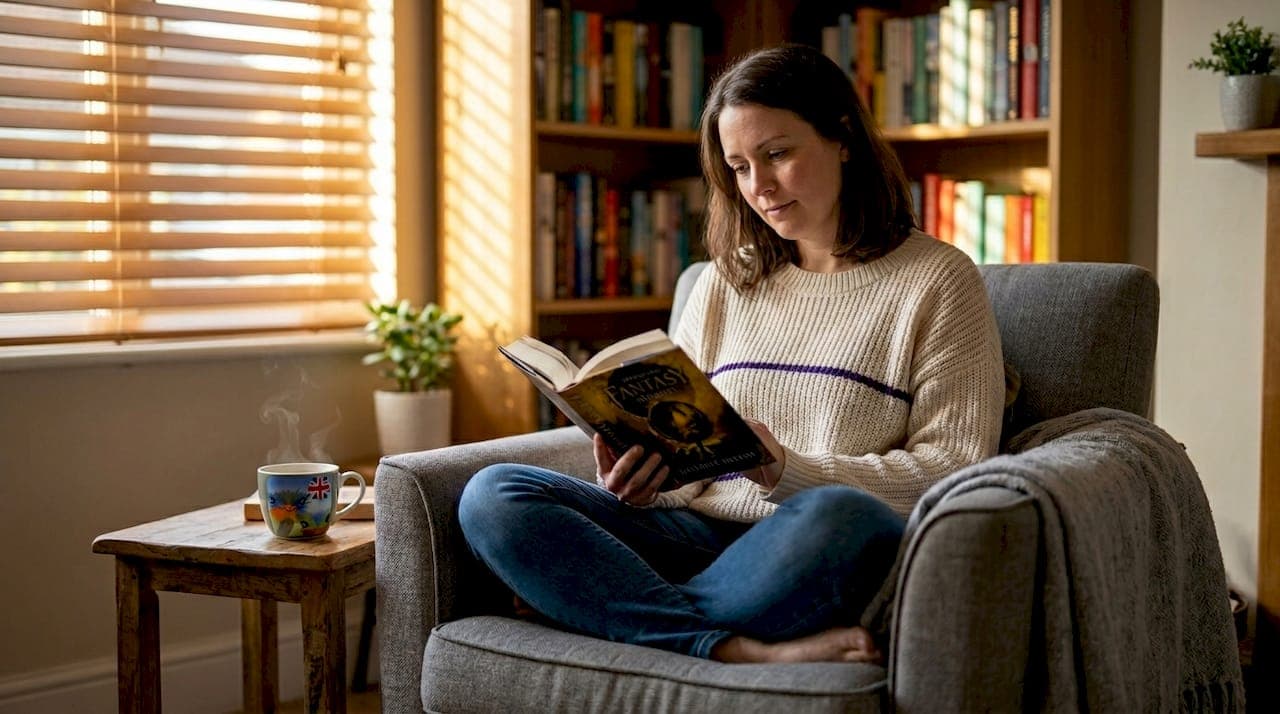
Not every book with a wizard on the cover is fantasy literature. A story can feature talking animals, magical spells, or impossible events and still belong to a completely different genre. True fantasy is something more specific: it builds entire realities from scratch, populates them with mythical beings, and operates by rules that defy our own world. According to Encyclopedia Britannica, fantasy literature is imaginative fiction that relies on strangeness of setting and characters, featuring magic and mythical elements. This article breaks down what fantasy actually is, how its subgenres work, where it came from, and how readers of every age can find the right story.
Table of Contents
- Defining fantasy literature: The basics
- Core elements: World-building, magic, and myth
- Subgenres and boundary-blurring: High, low, and more
- Fantasy's history and its appeal for all ages
- Fantasy vs. science fiction: Why the distinction matters
- What most guides miss about fantasy literature
- Explore the wonders of fantasy with curated picks and play
- Frequently asked questions
Key Takeaways
| Point | Details |
|---|---|
| Expansive definition | Fantasy literature uses imagined worlds, mythical beings, and magic that breaks from reality. |
| Diverse subgenres | Fantasy includes epic, urban, and blended genres to suit every age and taste. |
| All-ages appeal | Children, teens, and adults can all find meaningful, age-appropriate fantasy stories. |
| Core differences | Fantasy centers on magic and myth; science fiction relies on scientific possibilities. |
| Moral depth | Great fantasy offers lessons in courage, empathy, and facing challenges, not just escapism. |
Defining fantasy literature: The basics
So what makes a book true fantasy? At its core, fantasy literature creates a break from the world we know. The setting might be a parallel universe, an ancient realm untouched by modern logic, or a hidden layer beneath our own reality. Characters can be dragons, enchanted humans, or beings that simply could not exist in nature. The rules of cause and effect bend, and magic is not a metaphor. It is real within the story's world.
"Fantasy literature is imaginative fiction that relies on strangeness of setting (other worlds or times) and characters (supernatural or unnatural beings), featuring magic and mythical elements." — Encyclopedia Britannica
This definition matters because it separates fantasy from genres that look similar on the surface. Magical realism, for example, places impossible events inside a realistic world without calling attention to them. The magic in One Hundred Years of Solitude is treated as ordinary. In fantasy, the magic is the point. It shapes the entire world.
Some hallmarks readers can look for include:
- Secondary worlds built entirely by the author, like Middle-earth or Narnia
- Supernatural characters such as elves, dragons, shape-shifters, and sorcerers
- Enchanted objects with powers that drive the plot (think magic rings or cursed swords)
- Portals or gateways that transport characters from ordinary life into extraordinary realms
- Mythical systems rooted in folklore, legend, or invented lore
Fantasy appeals because it creates a sense of wonder and possibility. It asks readers to suspend disbelief completely, not just partially. That full suspension is what makes the genre so powerful for educational books that spark creativity and imaginative growth.
Core elements: World-building, magic, and myth
With the big-picture definition clear, let's look closer at what truly sets fantasy apart from every other genre. Four core elements show up again and again in the best fantasy stories:
- World-building: The author constructs a complete, internally consistent universe with its own geography, history, and social rules. Readers should feel like they could unfold a map.
- Magic systems: Fantasy uses either hard magic (clearly defined rules, costs, and limits) or soft magic (mysterious, unpredictable, awe-inspiring). Both serve different storytelling purposes.
- Sense of wonder: The story should make readers feel that anything is possible, that discovery is around every corner.
- Myth and folklore: Great fantasy borrows from real-world legends or creates its own, giving the story cultural weight and emotional resonance.
The Duke University Libraries Fantasy Genre Guide notes that effective world-building requires internal consistency, and that rule-based magic systems add depth while soft magic preserves mystery. Both approaches are valid, but they produce very different reading experiences.
Common fantasy beings include elves (graceful and ancient), dragons (powerful and often morally complex), and shape-shifters (creatures that blur the line between human and animal). These archetypes carry centuries of storytelling tradition behind them.
Pro Tip: When choosing fantasy for different age groups, pay attention to the magic system. Hard magic with clear rules tends to appeal to younger readers who enjoy puzzle-solving and strategy. Soft magic often works better for adult readers who appreciate atmosphere and mystery over mechanics.
These elements also influence how you pick books. A child drawn to adventure might love a story with a detailed map and a clear quest. A teen navigating identity might connect more with a shape-shifter protagonist. Understanding these building blocks helps with choosing fantasy books for kids and adults alike.
Subgenres and boundary-blurring: High, low, and more
After understanding the ingredients, exploring fantasy's variety helps you navigate your next read. Fantasy is not one thing. It is a family of related genres, each with its own tone, setting, and audience.
| Feature | High fantasy | Low fantasy |
|---|---|---|
| Setting | Entirely secondary world | Real world with magic intrusions |
| Tone | Epic, grand, serious | Grounded, intimate, sometimes humorous |
| Examples | The Lord of the Rings, The Wheel of Time | Harry Potter, The Dresden Files |
| Stakes | World-ending, civilization-level | Personal, local, community-level |
As the Britannica overview of subgenres explains, high fantasy centers on secondary worlds and epic quests, while low fantasy lets magic intrude into a recognizable reality. Urban fantasy, another popular subgenre, sets hidden magical worlds inside modern cities.
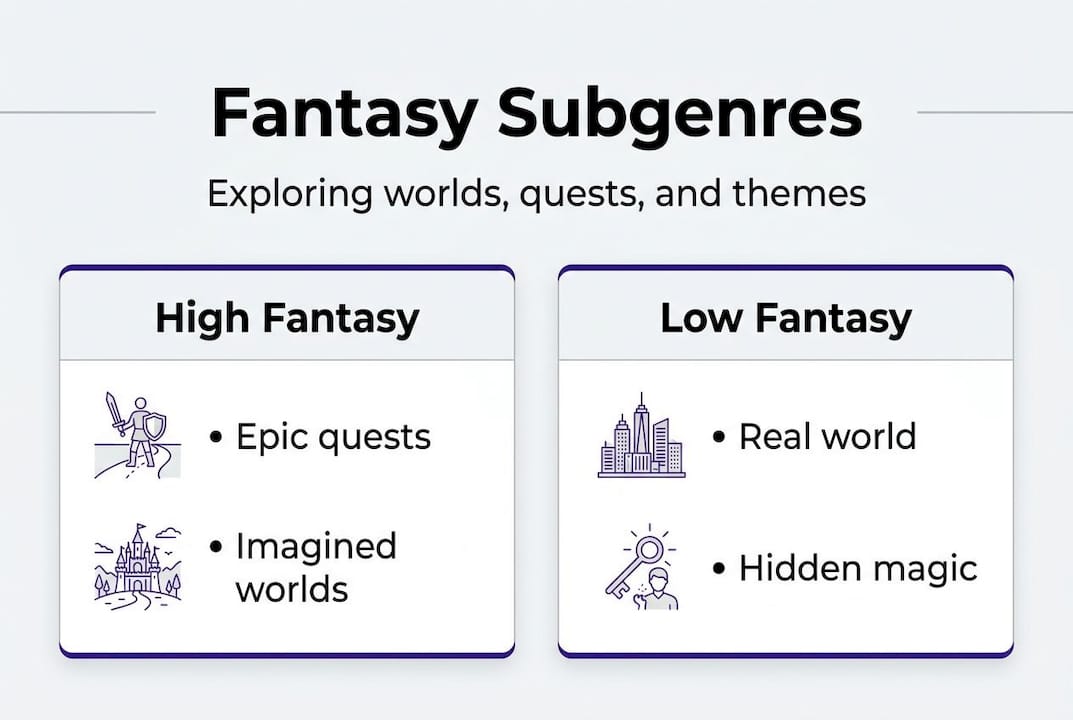
Modern fantasy increasingly blurs these lines. Romantasy, popularized by authors like Sarah J. Maas, combines fantasy world-building with a central love story. Science fantasy mixes futuristic technology with magical elements, making it harder to categorize. These hybrid forms show that the genre keeps evolving.
Other emerging subgenres worth knowing:
- Grimdark: Morally ambiguous characters, brutal consequences, no guaranteed happy endings
- Comedic fantasy: Uses genre tropes for humor and satire
- Portal fantasy: A character from our world crosses into a magical realm
- Cozy fantasy: Low stakes, warm settings, emphasis on community and comfort
Subgenres exist so readers can find the right fit. If you love political intrigue, grimdark might be your home. If you want adventure without darkness, portal fantasy or cozy fantasy might suit you better. For readers who also enjoy sci-fi vs fantasy reading, understanding these categories makes it easier to move between genres confidently.
Fantasy's history and its appeal for all ages
Now, let's see where fantasy began and why it speaks to so many age groups. Fantasy did not start with Tolkien. Its roots go back thousands of years, to oral myths, epic poems, and folklore traditions across every culture.
| Era | Key authors/works | Lasting impact |
|---|---|---|
| Ancient/Medieval | Homer, Norse sagas, Arthurian legend | Established archetypes: heroes, monsters, quests |
| 19th century | George MacDonald, Lewis Carroll | Brought fantasy into modern prose fiction |
| 20th century | Tolkien, C.S. Lewis, Ursula K. Le Guin | Defined modern fantasy's structure and depth |
| Late 20th/21st century | George R.R. Martin, J.K. Rowling, Brandon Sanderson | Expanded to adult, YA, and children's audiences |
The Duke University Libraries traces fantasy's history from myths and folklore through the 19th and 20th centuries, with Tolkien and Lewis as the architects of modern fantasy. Their work set the template that writers still build on today.
Fantasy's appeal spans every age group for different reasons. For children, stories like The Chronicles of Narnia and Earthsea offer wonder, heroism, and moral clarity in a safe imaginative space. For teens, fantasy often mirrors coming-of-age struggles through magical metaphors. For adults, the genre handles complex political themes and darker moral questions that mirror real-world challenges.
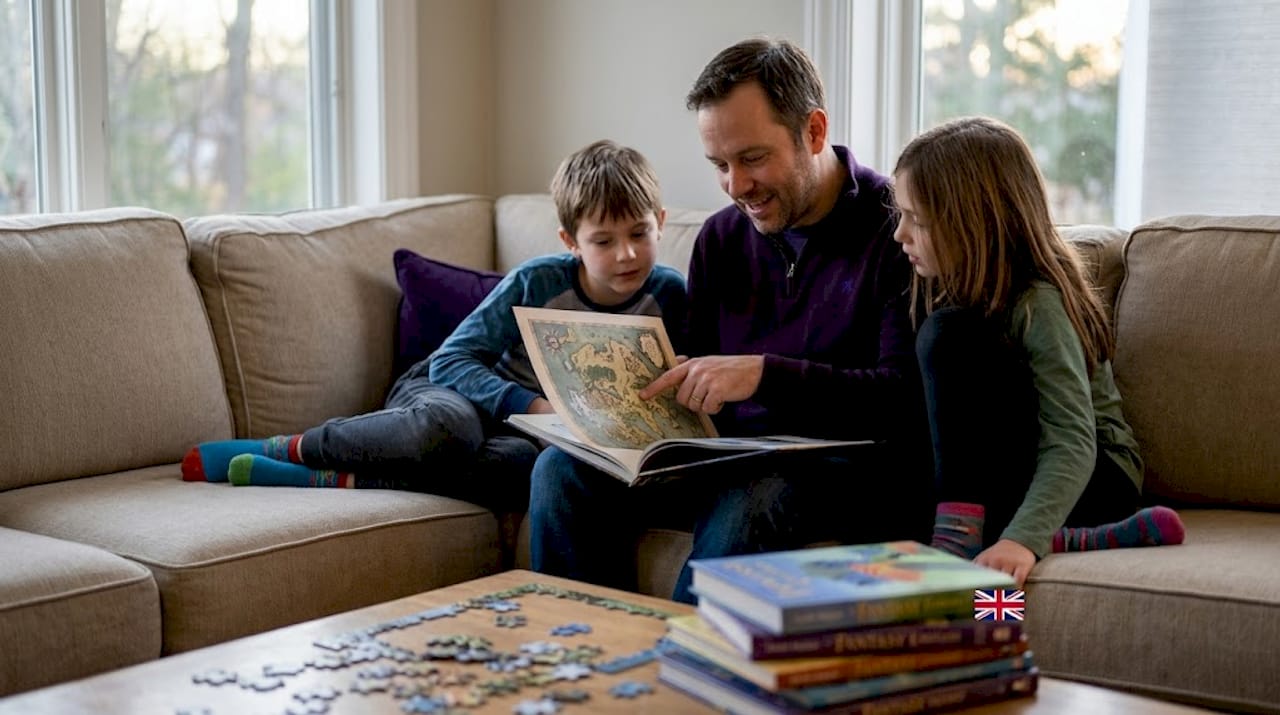
Pro Tip: Do not assume a fantasy book is shallow just because it is labeled for children. A Wizard of Earthsea explores identity, shadow, and the cost of power in ways that rival any adult novel.
For families looking to share fantasy together, fantasy activity books for children and thoughtful fantasy gifts can bring the magic into everyday life beyond the page.
Fantasy vs. science fiction: Why the distinction matters
To close the knowledge gap, it is vital to separate fantasy from its closest neighbor. Both genres involve worlds that do not exist, but they get there in completely different ways.
"Fantasy uses magic and the supernatural without scientific basis; science fiction extrapolates from science and technology, often set in future worlds." — Encyclopedia Britannica
In fantasy, a wizard casts a spell because magic exists. No explanation needed. In science fiction, a character uses a device because the story has established a plausible technological framework. The difference is not dragons versus spaceships. It is the source of the impossible thing.
Three quick questions to identify which genre you are reading:
- Could the impossible elements be explained by future science? If yes, lean toward sci-fi.
- Does the story treat magic as a natural force with no scientific origin? If yes, lean toward fantasy.
- Is the setting rooted in myth, legend, or invented lore rather than technology? If yes, almost certainly fantasy.
Some stories deliberately cross the line. Science fantasy, like Star Wars, uses spaceships and laser swords alongside a mystical force that behaves more like magic than physics. These crossovers are valid and popular, but they are exceptions rather than the rule.
For readers curious about dystopian sci-fi themes, understanding this distinction makes it easier to know what you are picking up and what kind of reading experience to expect.
What most guides miss about fantasy literature
Most people treat fantasy as pure escapism. A way to check out from real life and spend a few hours somewhere more exciting. That view undersells the genre completely.
The greatest fantasy stories do not help you escape your problems. They hand you a mirror. Frodo's burden in The Lord of the Rings is not really about a ring. It is about carrying something that corrupts, and choosing to keep going anyway. That is not escapism. That is courage practice.
Children's fantasy gets criticized most often for being "too dark." Parents worry about death, moral ambiguity, and frightening creatures in books aimed at young readers. But as research on juvenile fantasy points out, these darker elements are precisely what teach children how to process fear, loss, and moral complexity in a safe space.
Fantasy's real power is that it teaches empathy and bravery without requiring real-world risk. A child who reads about a character facing an impossible choice learns something about integrity. An adult who follows a morally gray hero through a brutal world learns something about nuance. That is why the cultural impact of fantasy books reaches far beyond entertainment.
Explore the wonders of fantasy with curated picks and play
Ready to find your next favorite story or the perfect gift for a fantasy fan in your life? Whether you are searching for a richly illustrated children's book, a creative journal to capture your own world-building ideas, or a thoughtful gift for a reader who loves magic and adventure, there are options waiting for you.

At Munkter Products, you will find handcrafted books, activity sets, and creative stationery that bring the spirit of fantasy to life for readers of all ages. From top children's educational fantasy books to imaginative journals and puzzles, every product is chosen to spark wonder and keep the love of reading alive. Browse the collection and bring a little magic home today.
Frequently asked questions
Which books are best for introducing children to fantasy literature?
Classics like The Chronicles of Narnia and the Harry Potter series are ideal starting points, offering wonder and heroism in stories that grow with young readers.
How can I tell if a book is fantasy or science fiction?
If the story features magic or mythical worlds without scientific explanation, it is likely fantasy; science fiction focuses on advances in science and technology to explain the impossible.
Are there fantasy books suitable for adults seeking complex stories?
Yes, modern fantasy includes adult titles with intricate politics and mature themes; complex adult fantasy like A Song of Ice and Fire is a strong example.
What is 'romantasy' and how does it fit into fantasy literature?
Romantasy blends fantasy elements like magic and invented worlds with a strong central romance; this fantasy-romance blend was popularized by authors such as Sarah J. Maas.
Why is fantasy often challenged for being 'too dark' for kids?
Children's fantasy sometimes includes dark themes, but these darker elements build moral understanding and emotional strength in young readers.
Recommended
- How to write a sci-fi novel: essential steps for success
- How sci-fi books shape imagination, culture, and society
- Essential sci-fi novels: classics and modern must-reads
- What is a science fiction novel? Key traits and impact
- Transform holidays: fantasy characters create magical family memories — WonderLens | WonderLens